Have you ever wondered about the history of calendars and how people used to keep track of time centuries ago? The 2026 BC Julian calendar is a fascinating example of ancient timekeeping methods.
The Julian calendar was introduced by Julius Caesar in 46 BC and was the predominant calendar in the Western world for more than 1,600 years. It was based on a solar year of 365.25 days, with a leap year every four years to account for the extra quarter day.
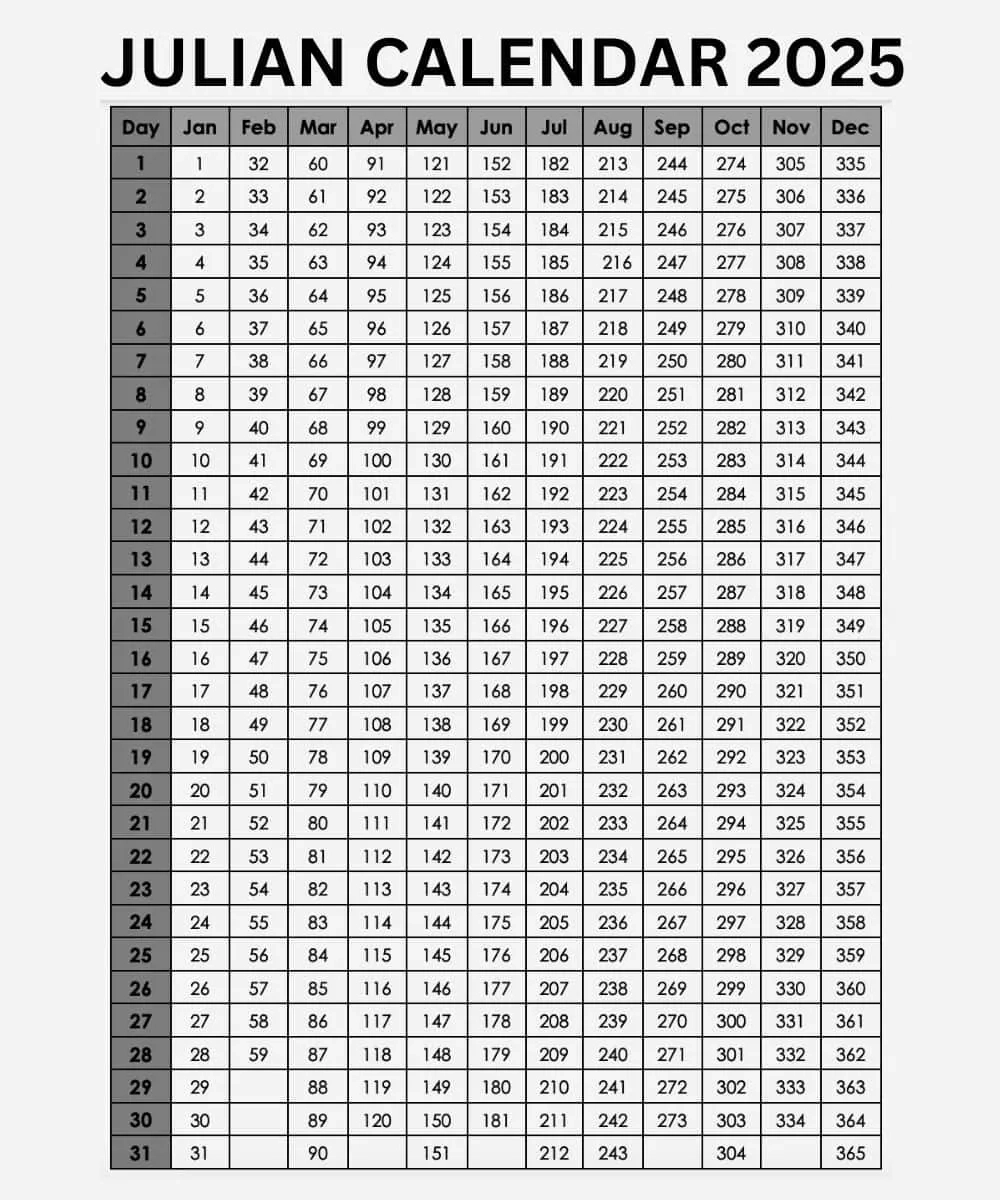
2026 Bc Julian Calendar
Exploring the 2026 BC Julian Calendar
In 2026 BC, the Julian calendar was still thousands of years away from being created. However, ancient civilizations like the Egyptians and the Babylonians already had sophisticated methods of tracking time based on astronomical observations and cycles.
These early calendars were crucial for organizing agricultural activities, religious ceremonies, and societal events. They were often based on the cycles of the moon or the movements of the sun, with adjustments made over time to align with the changing seasons.
As we look back on the 2026 BC Julian calendar, we can appreciate the ingenuity of our ancestors in devising systems to measure time and mark significant moments in history. While our modern calendars have evolved significantly since then, the legacy of ancient timekeeping methods lives on in the way we structure our days and years.
Next time you glance at a calendar, take a moment to reflect on the rich history and cultural significance of this seemingly mundane tool. The 2026 BC Julian calendar may be a distant memory, but its impact on the way we organize our lives is still felt today.
[if_img 3]
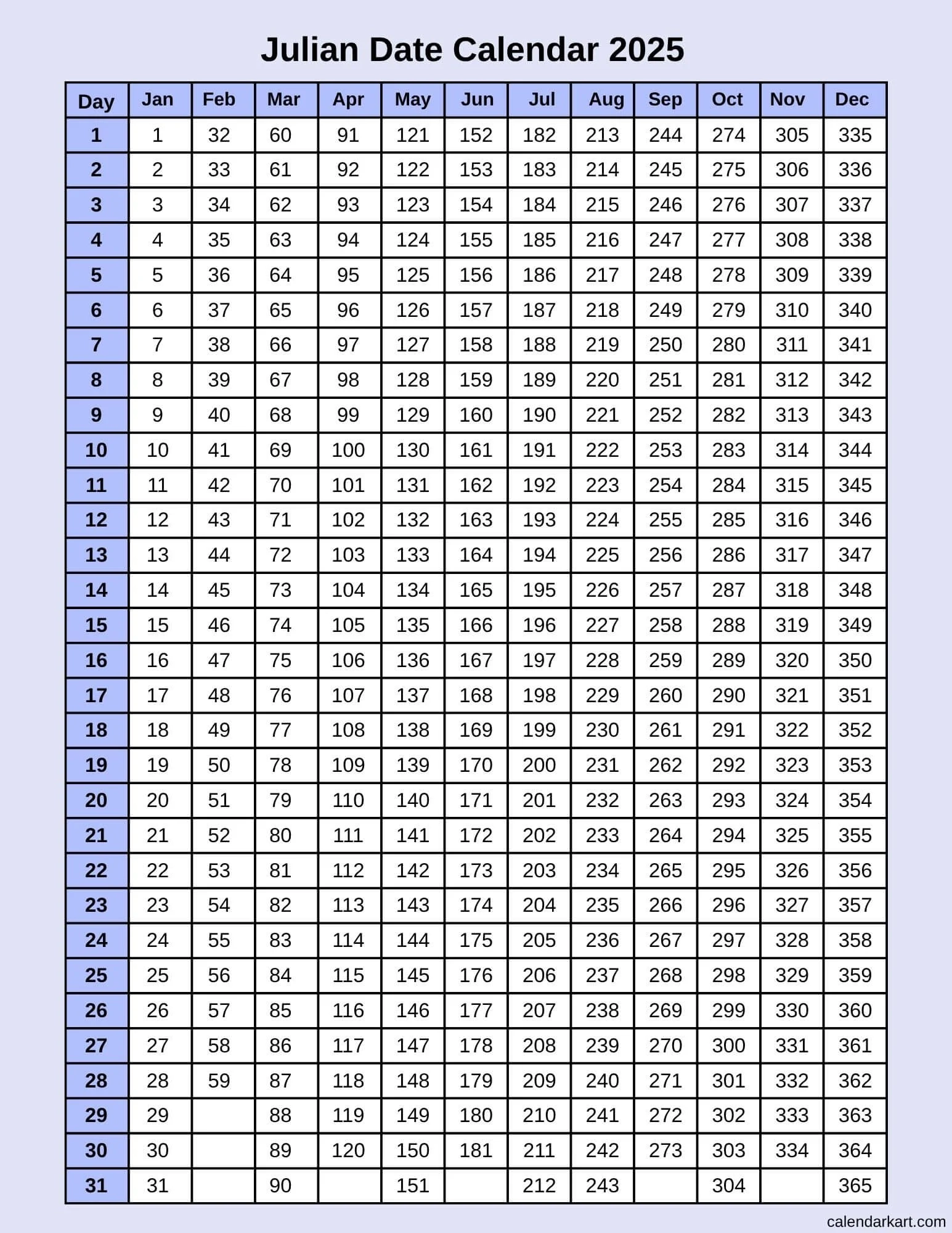
Today s Julian Date 2025 Julian Calendar Converter CalendarKart