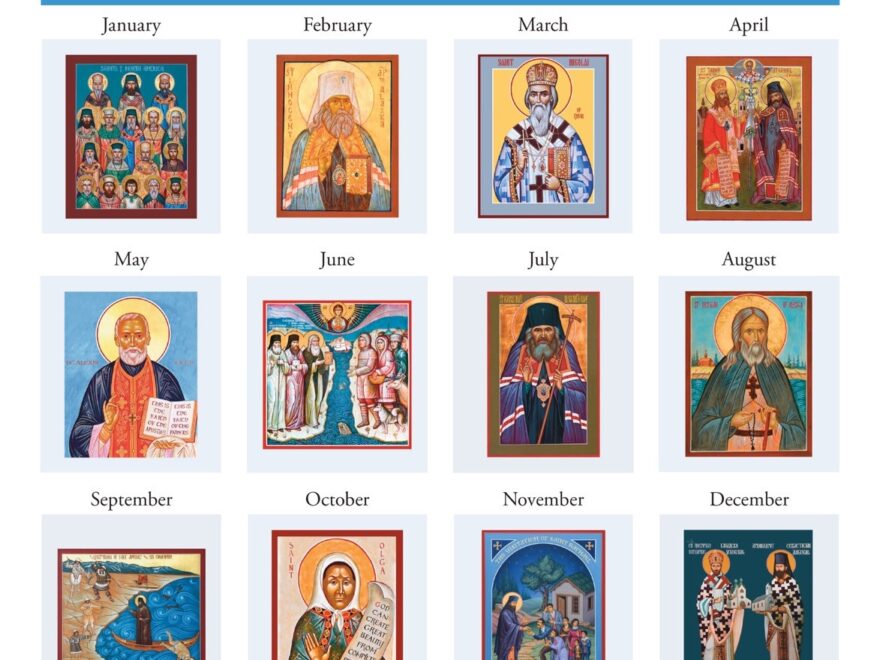
Greece, a country known for its rich history, stunning landscapes, and vibrant culture, is set to make a significant change in the year 2026 by adopting the Julian Calendar. This decision is expected to have a profound impact on various aspects of Greek society.
The Julian Calendar, introduced by Julius Caesar in 45 BC, differs slightly from the Gregorian Calendar that is widely used today. The main difference lies in the way leap years are calculated, which results in a shift in the dates of certain holidays and events.
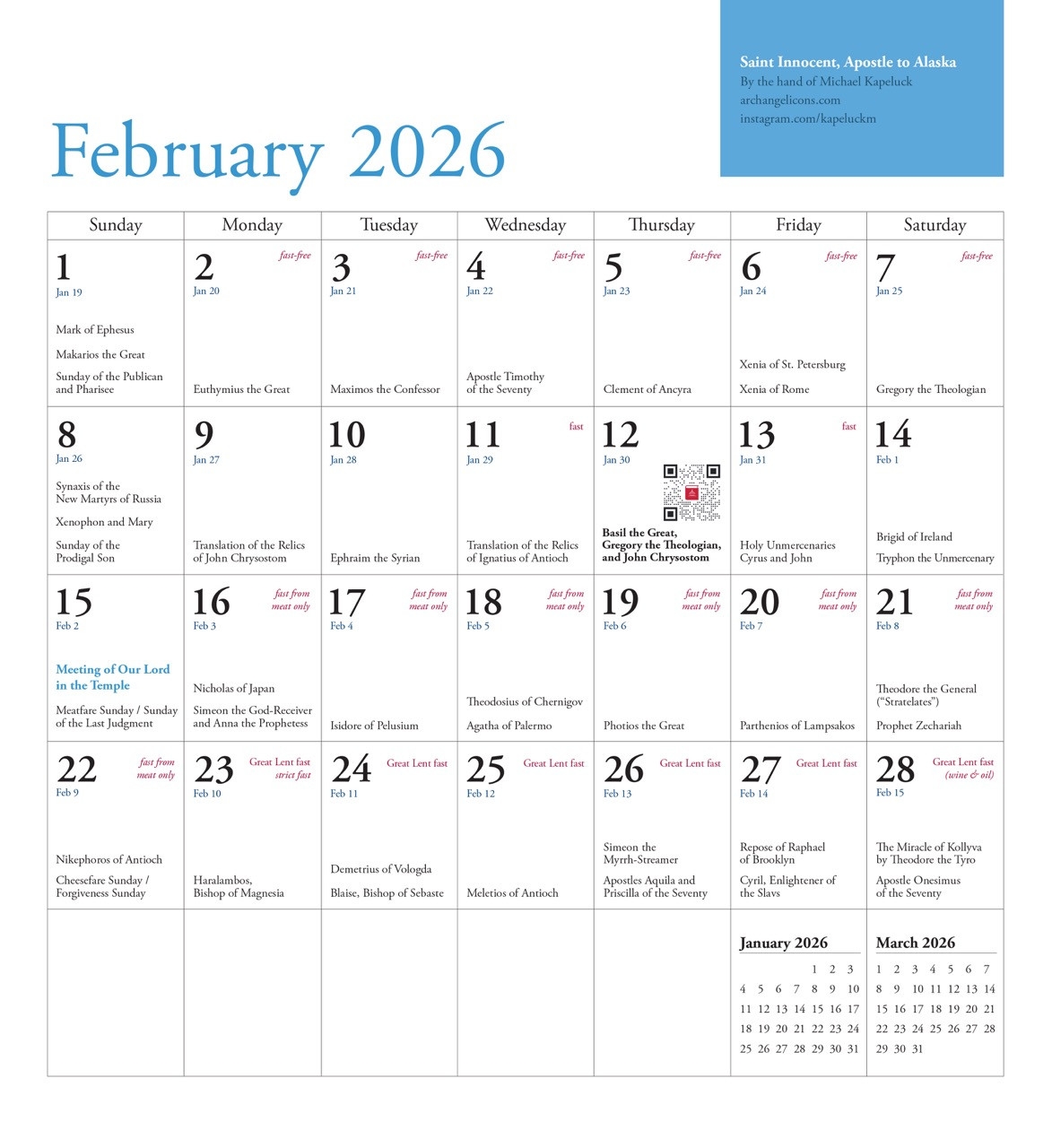
Greece Julian Calendar 2026
The Impact of Greece Adopting the Julian Calendar in 2026
One of the most notable effects of this calendar change will be seen in the scheduling of religious holidays, such as Easter. With the Julian Calendar, the date of Easter will align more closely with the astronomical events that determine its timing.
Additionally, the adoption of the Julian Calendar may bring about changes in the way businesses operate and how people plan their everyday lives. Adjustments will need to be made to account for the shift in dates and the potential discrepancies between the two calendar systems.
While some may see this change as a disruption, others view it as an opportunity to reconnect with ancient traditions and roots. Embracing the Julian Calendar can be a way for Greece to honor its past and preserve cultural practices that have been passed down through generations.
In conclusion, the decision to adopt the Julian Calendar in Greece in 2026 marks a significant moment in the country’s history. As the transition takes place, it will be interesting to see how this change impacts various aspects of Greek society and how people adapt to the new calendar system.

[if_img 3]
2026 Icon Calendar Saints Of North America Julian Version Old Calendar