
Have you ever wondered about the difference between the Hijri and Gregorian calendars? Well, you’re in luck! In this article, we’ll discuss the transition from the Hijri Calendar to the Gregorian Calendar in the year 2026.
The Hijri Calendar, also known as the Islamic or Lunar Calendar, is based on the cycles of the moon. It has 12 months in a year of 354 or 355 days, which is shorter than the Gregorian Calendar used in most of the world.
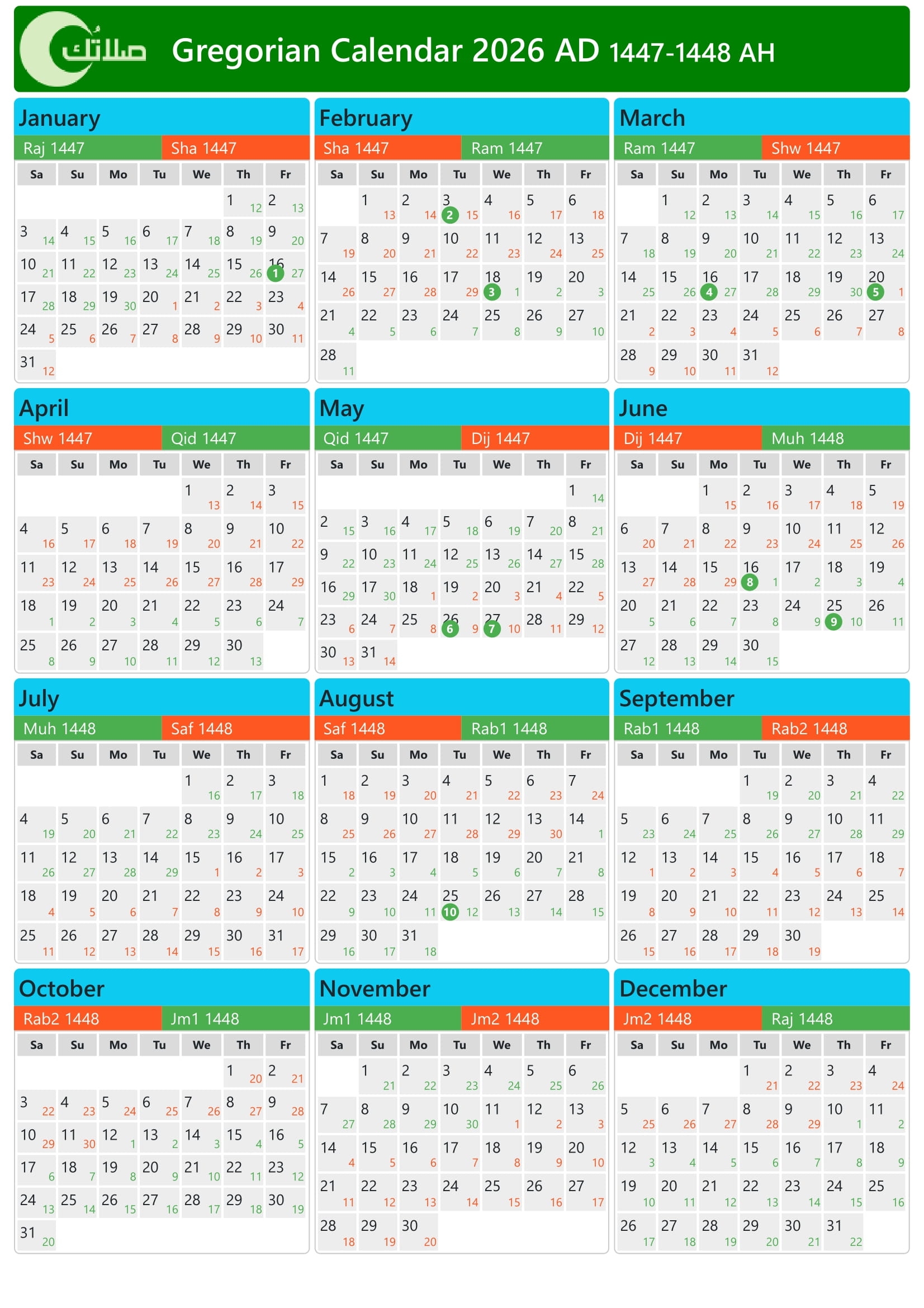
Hijri Calendar To Gregorian 2026
Hijri Calendar To Gregorian 2026
On the other hand, the Gregorian Calendar is a solar calendar introduced by Pope Gregory XIII in 1582. It is based on the Earth’s orbit around the sun and has 12 months in a year of 365 days, with an extra day added in leap years.
In 2026, the transition from the Hijri Calendar to the Gregorian Calendar will be significant for many individuals and communities around the world. This change can impact various aspects of daily life, including religious observances, holidays, and cultural traditions.
It’s essential to be aware of this transition to ensure a smooth adjustment to the new calendar system. Understanding the differences between the two calendars and how they affect our lives can help us appreciate the diversity and richness of different cultures and traditions.
As we look forward to the year 2026 and the transition from the Hijri Calendar to the Gregorian Calendar, let’s embrace this change with an open mind and a spirit of curiosity. It’s an opportunity to learn more about the world around us and celebrate the diversity that makes our planet such a vibrant and fascinating place.
In conclusion, the transition from the Hijri Calendar to the Gregorian Calendar in 2026 marks a significant milestone in our shared history. Let’s approach this change with optimism and a willingness to explore new ways of understanding and appreciating the passage of time in our lives.
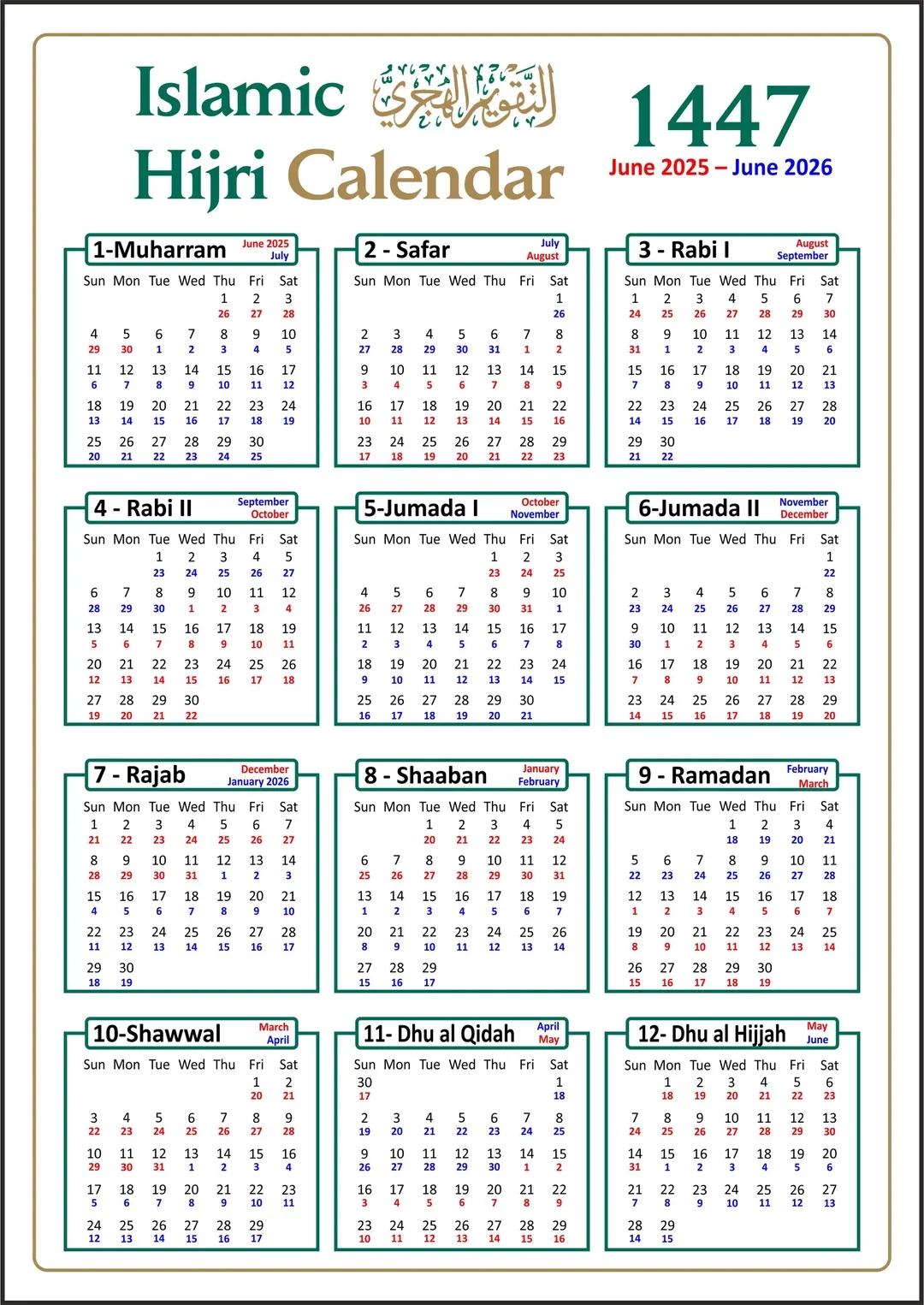
[if_img 3]
Islamic Hijri Wall Calendar 1447 AH With Colour Coded Gregorian Dates DIGITAL DOWNLOAD Version Etsy