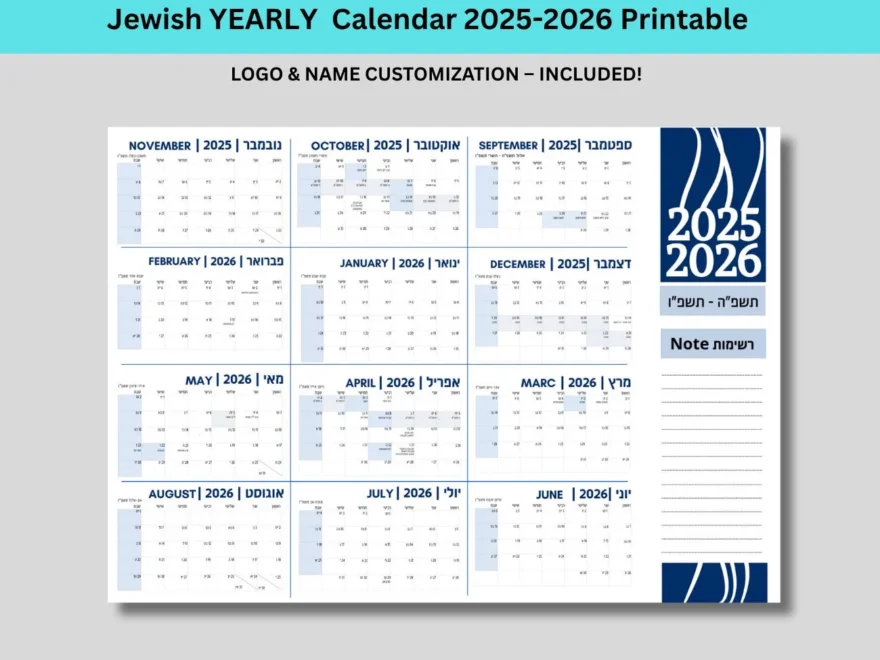
As we approach the year 2026, many people are curious about the differences between the Jewish and Gregorian calendars. Each calendar has its own unique way of tracking time and important holidays.
The Jewish calendar is a lunar calendar, while the Gregorian calendar is a solar calendar. This means that the Jewish calendar is based on the cycles of the moon, while the Gregorian calendar is based on the Earth’s orbit around the sun.
Jewish Gregorian 2026 Calendar
Jewish Gregorian 2026 Calendar
In 2026, the Jewish calendar will differ from the Gregorian calendar. For example, Rosh Hashanah, the Jewish New Year, will fall on different dates in the two calendars. It’s important to be aware of these differences when planning holidays and events.
Another key difference between the Jewish and Gregorian calendars is the way days are counted. In the Jewish calendar, each day begins at sunset and ends at the following sunset, while in the Gregorian calendar, each day begins and ends at midnight.
Despite these differences, both calendars serve as important tools for organizing time and marking significant events. Whether you follow the Jewish calendar, the Gregorian calendar, or both, it’s fascinating to explore the rich history and traditions behind each system.
As we look ahead to 2026, let’s embrace the diversity of calendars and appreciate the cultural significance of each. Whether you’re celebrating a holiday, planning an event, or simply tracking the passage of time, both the Jewish and Gregorian calendars offer unique perspectives on the world around us.
So as we countdown to 2026, let’s celebrate the beauty of different traditions and the ways in which they enrich our lives. Whether you’re marking a special occasion in the Jewish calendar or following the familiar dates of the Gregorian calendar, each system adds depth and meaning to our understanding of time.
[if_img 3]
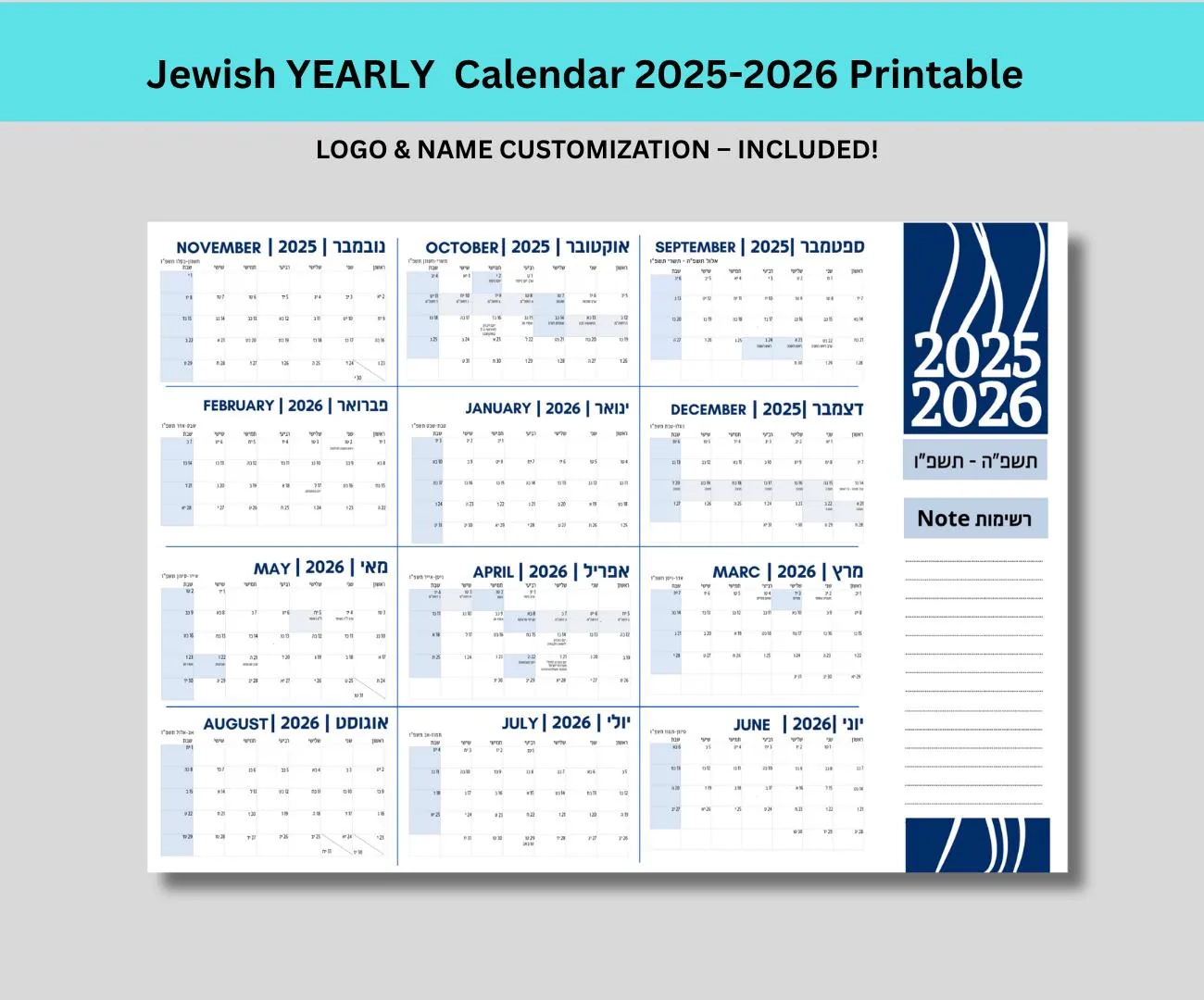
A Yearly JEWISH Calendar 2025 2026 Etsy