Have you ever wondered about the Julian Calendar and how it affects dates like October 1, 2026? Well, you’re in luck because we’re here to break it down for you in simple terms!
The Julian Calendar, named after Julius Caesar, was introduced in 45 BCE and was used until the Gregorian Calendar replaced it in 1582. It was known for its 365-day year with an extra day every four years.
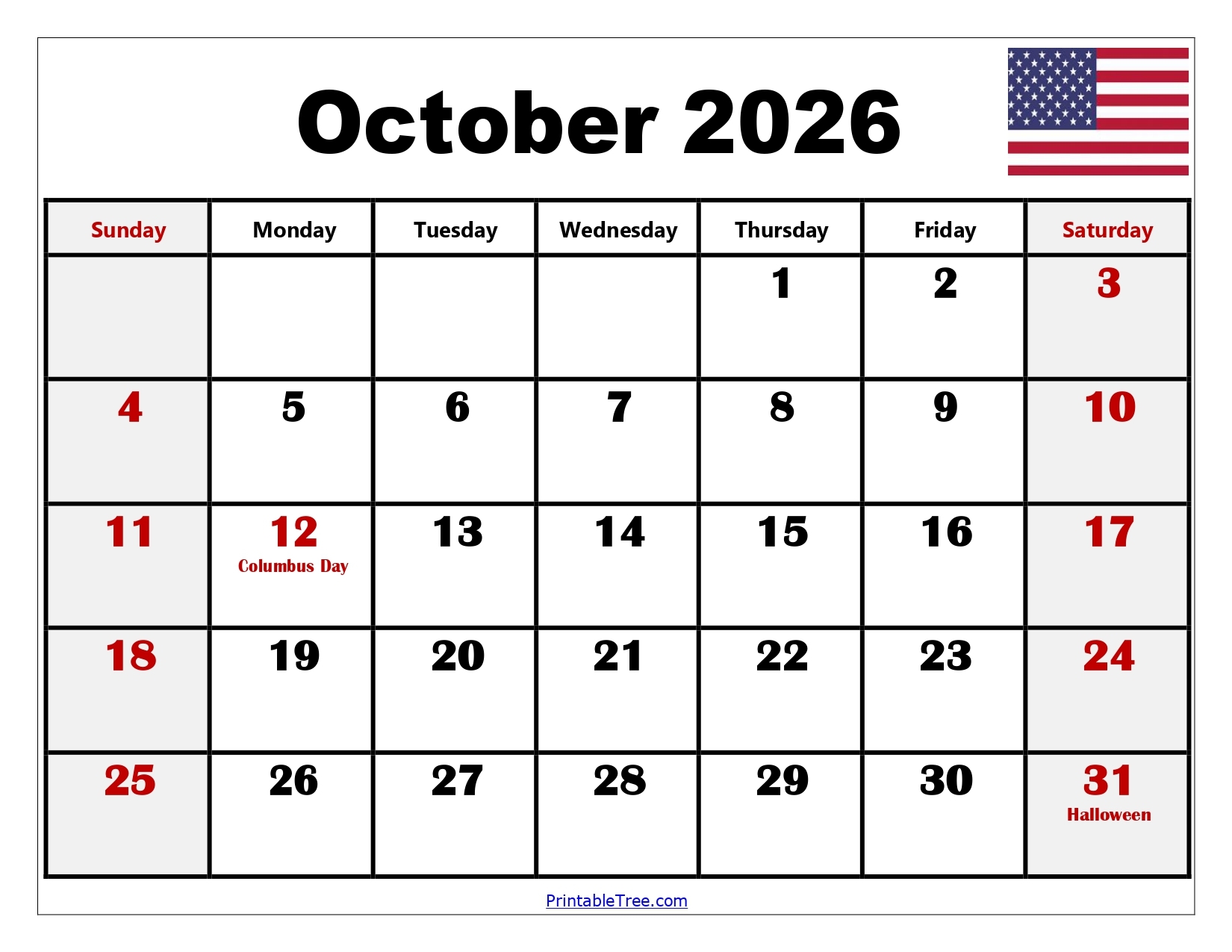
Julian Calendar 2026 Oct 1
Julian Calendar 2026 Oct 1
On October 1, 2026, according to the Julian Calendar, the date would actually fall on September 18, 2026, in the Gregorian Calendar. This is due to the difference in the way leap years are calculated between the two calendars.
While the Julian Calendar adds a leap day every four years without exception, the Gregorian Calendar skips leap days on century years not divisible by 400. This slight adjustment helps keep the calendar in sync with the solar year more accurately.
So, if you were to celebrate an event on October 1, 2026, according to the Julian Calendar, just remember that in the Gregorian Calendar, it would be September 18, 2026. It’s fascinating to see how different calendar systems can impact the way we perceive time and dates!
Whether you follow the Julian Calendar or the Gregorian Calendar, both have their own unique histories and significance. Dates like October 1, 2026, may vary depending on which calendar you refer to, but the essence of the day remains the same regardless of the system used.
Next time you come across a date discrepancy like October 1, 2026, remember the differences between the Julian and Gregorian Calendars and how they shape our understanding of time and history. It’s a reminder of the rich tapestry of human innovation and ingenuity throughout the ages!
[if_img 3]
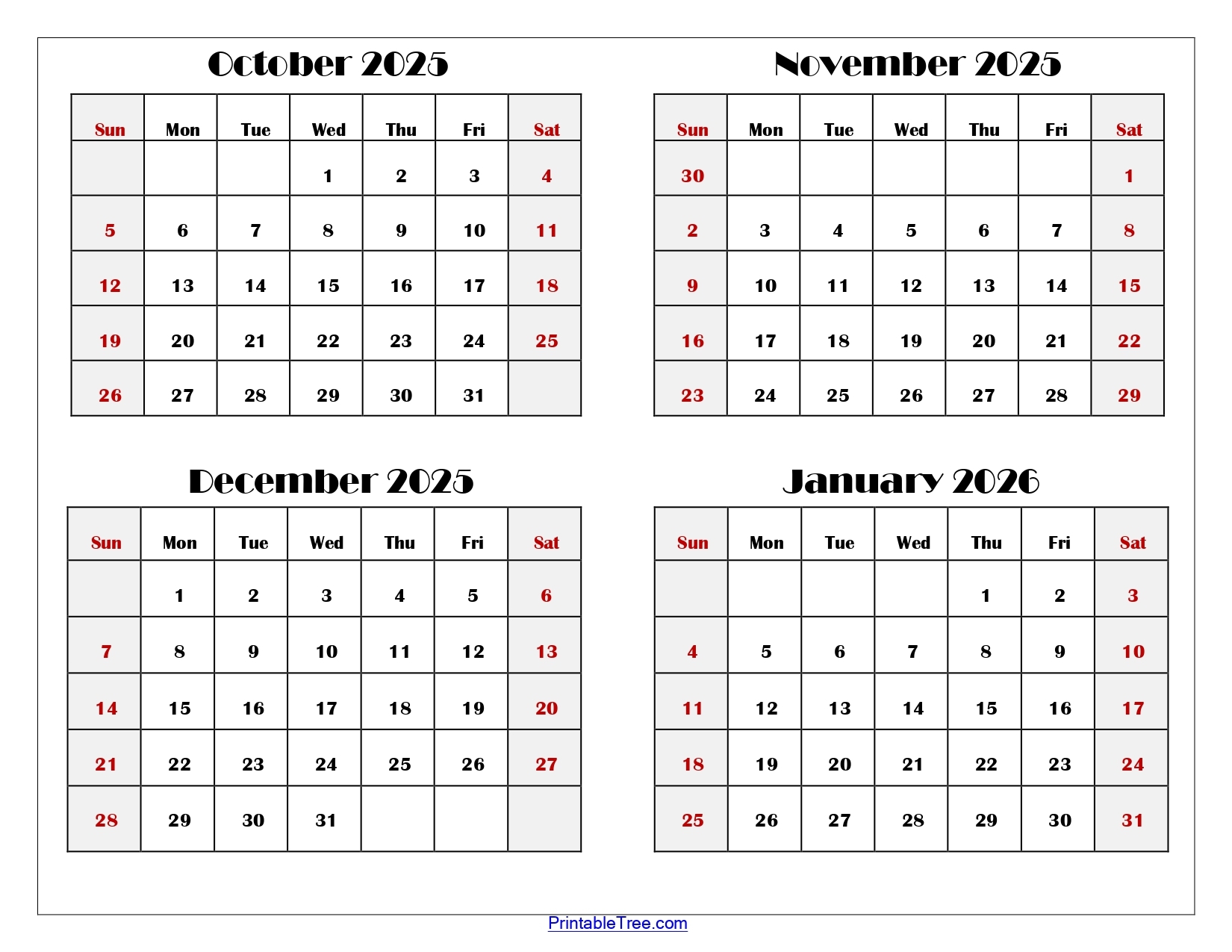
October To January 2026 Calendar Printable PDF Four Months Calendar