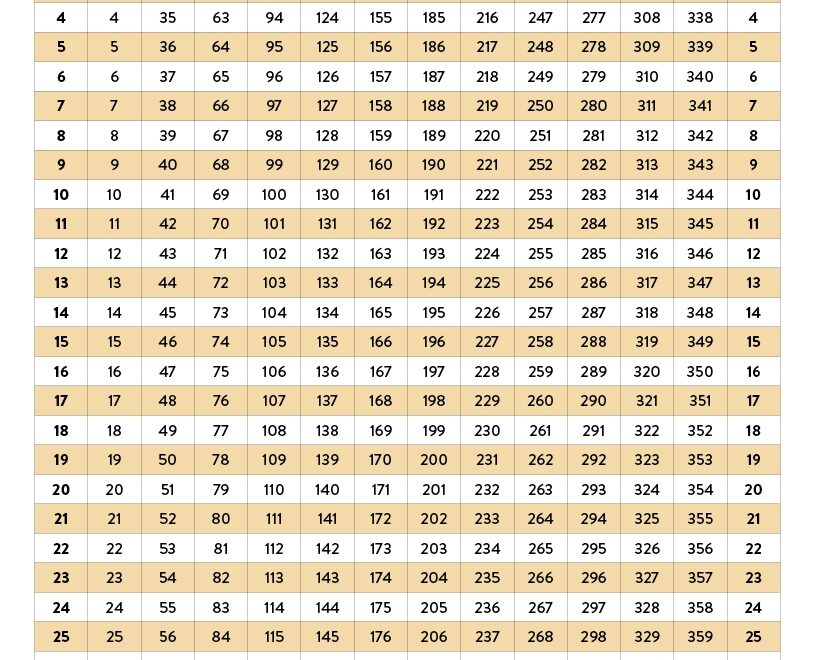
Have you ever wondered about the difference between the Julian and Gregorian calendars? These two systems have been used throughout history to keep track of time, but they have some significant variations.
The Julian calendar, introduced by Julius Caesar in 46 BC, was the predominant calendar in the Western world for over a millennium. However, it had some flaws that needed to be addressed.
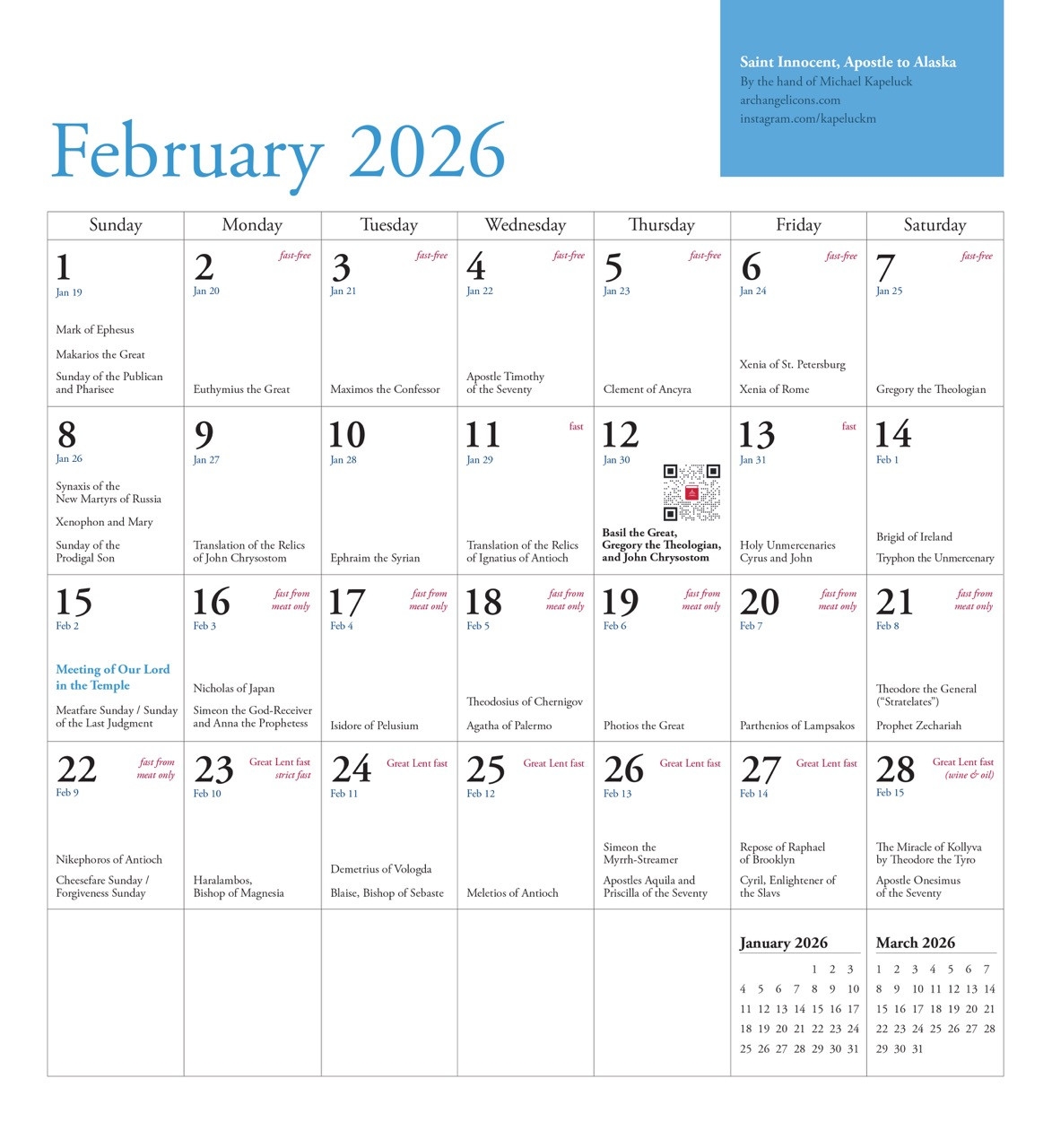
Julian Vs Gregorian Calendar 2026
Julian Vs Gregorian Calendar 2026
In 1582, Pope Gregory XIII introduced the Gregorian calendar to correct the errors in the Julian calendar, particularly in calculating leap years. The Gregorian calendar is the one we use today in most countries around the world.
One of the main differences between the Julian and Gregorian calendars is the way they handle leap years. The Julian calendar adds a leap day every four years without exception, while the Gregorian calendar has more complex rules to determine leap years.
As a result of these differences, the Julian calendar drifts from the solar year by about 11 minutes each year, leading to a discrepancy that accumulates over time. The Gregorian calendar, on the other hand, is more accurate and better aligned with the solar year.
So, what does this mean for the year 2026? Well, both the Julian and Gregorian calendars will show the same dates for most of the year. However, there might be a discrepancy of a few days when it comes to leap years, as the Julian calendar will have an extra leap day that the Gregorian calendar does not account for.
In conclusion, while the Julian and Gregorian calendars have similarities, such as the same months and days of the week, their approach to leap years sets them apart. Understanding the differences between these two systems can give us insight into the history and evolution of timekeeping.
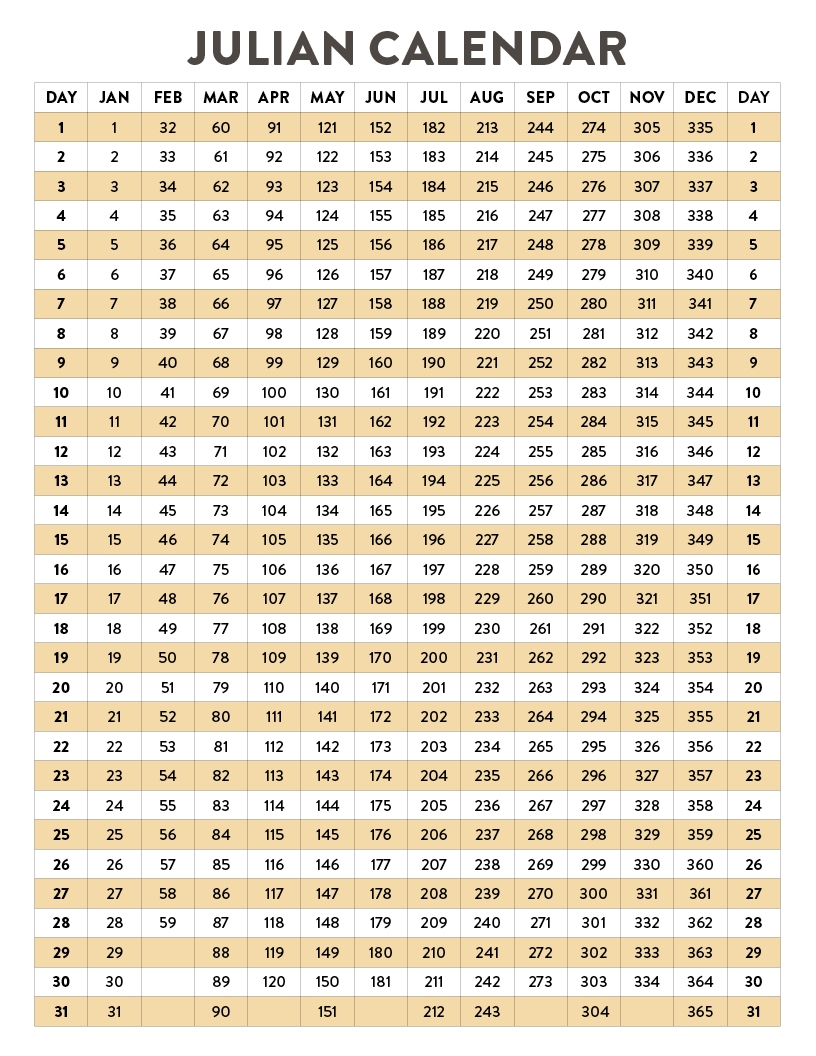
[if_img 3]
Julian Date Calendar Natural Grocers