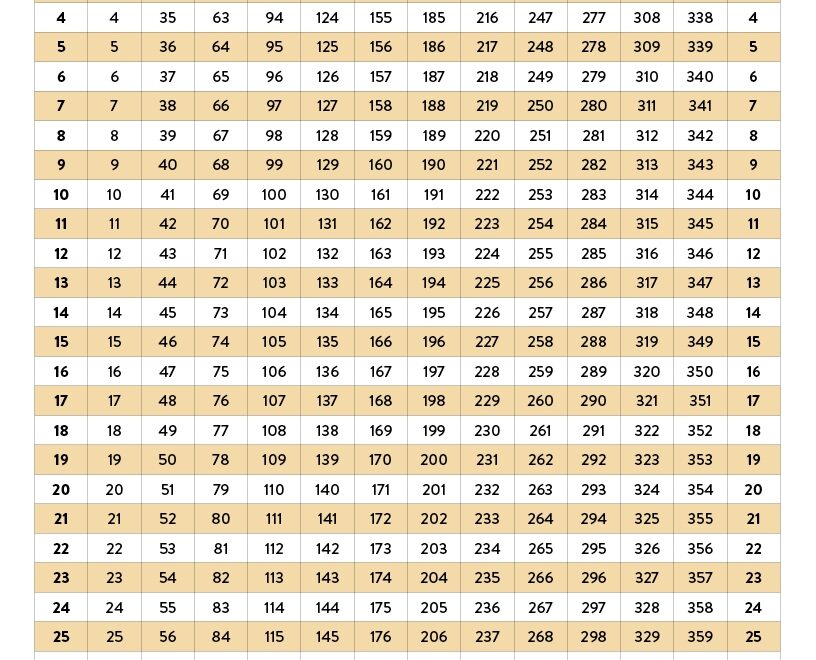
Are you curious about the Ancient Roman Julian Calendar and how it relates to the 2026 calendar year? Let’s dive into the fascinating history and see how it influences our modern-day calendars.
The Ancient Roman Julian Calendar, introduced by Julius Caesar in 46 BC, was based on a solar year of 365.25 days. This calendar had 12 months and 365 days, with an extra day added every four years to account for the quarter day.
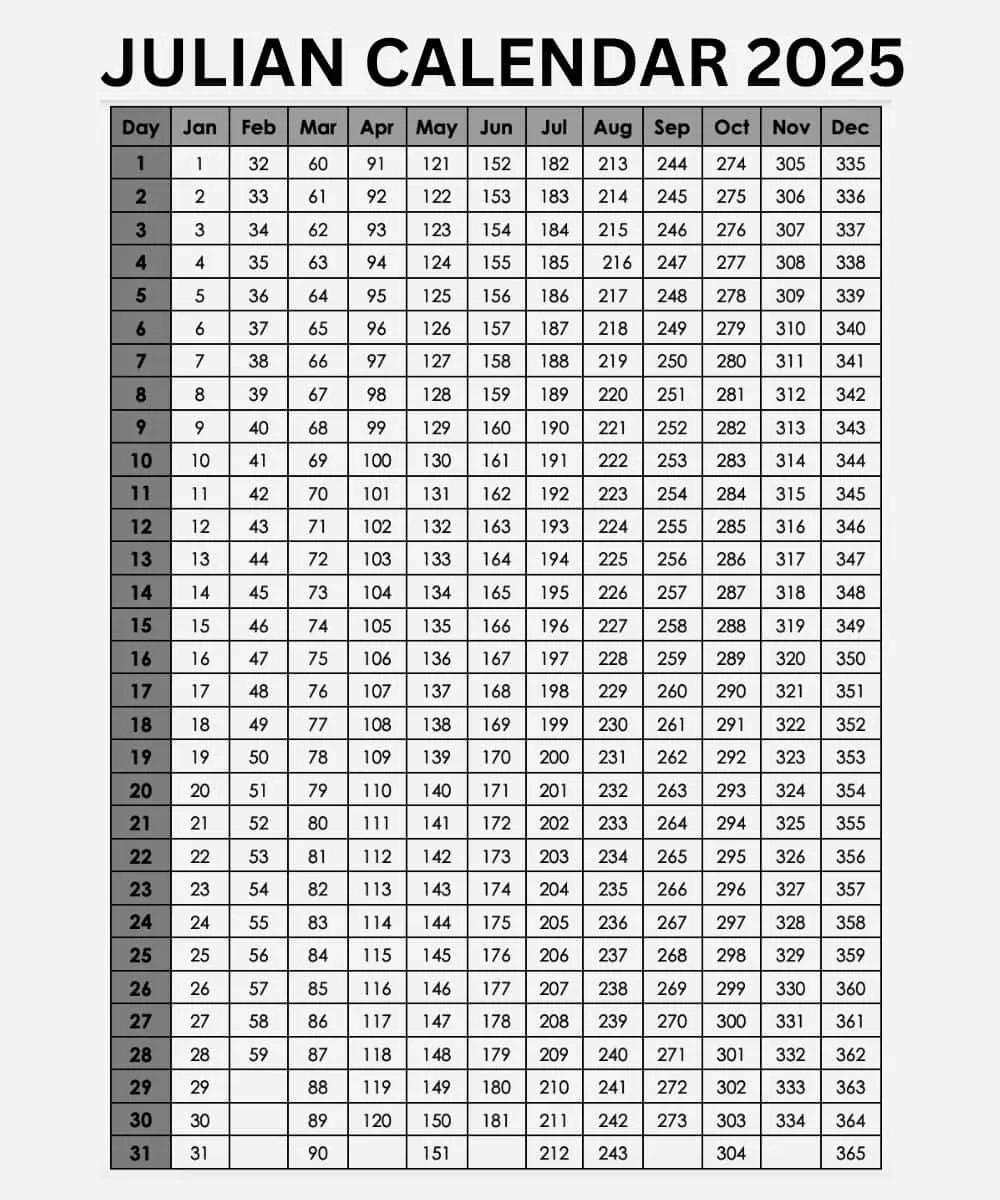
Ancient Roman Julian Calendar 2026 Calendar
Ancient Roman Julian Calendar 2026 Calendar
Fast forward to 2026, and we still see remnants of the Julian Calendar in our modern-day calendars. While most countries have adopted the Gregorian Calendar, which is more accurate, some traditions and holidays still follow the Julian Calendar.
In 2026, Orthodox Christians, particularly those in Eastern Europe and the Middle East, will celebrate Easter based on the Julian Calendar. This means that Easter Sunday may fall on a different date for those following the Julian Calendar compared to the Gregorian Calendar.
While the Julian Calendar may not be widely used for everyday purposes, its influence can still be seen in various cultural and religious traditions around the world. It serves as a reminder of the rich history and legacy left by ancient civilizations like the Romans.
As we look ahead to 2026, it’s fascinating to see how ancient practices and beliefs continue to shape our modern lives. The Julian Calendar, though no longer the primary calendar system, reminds us of the enduring impact of history on our day-to-day routines and celebrations.
[if_img 3]
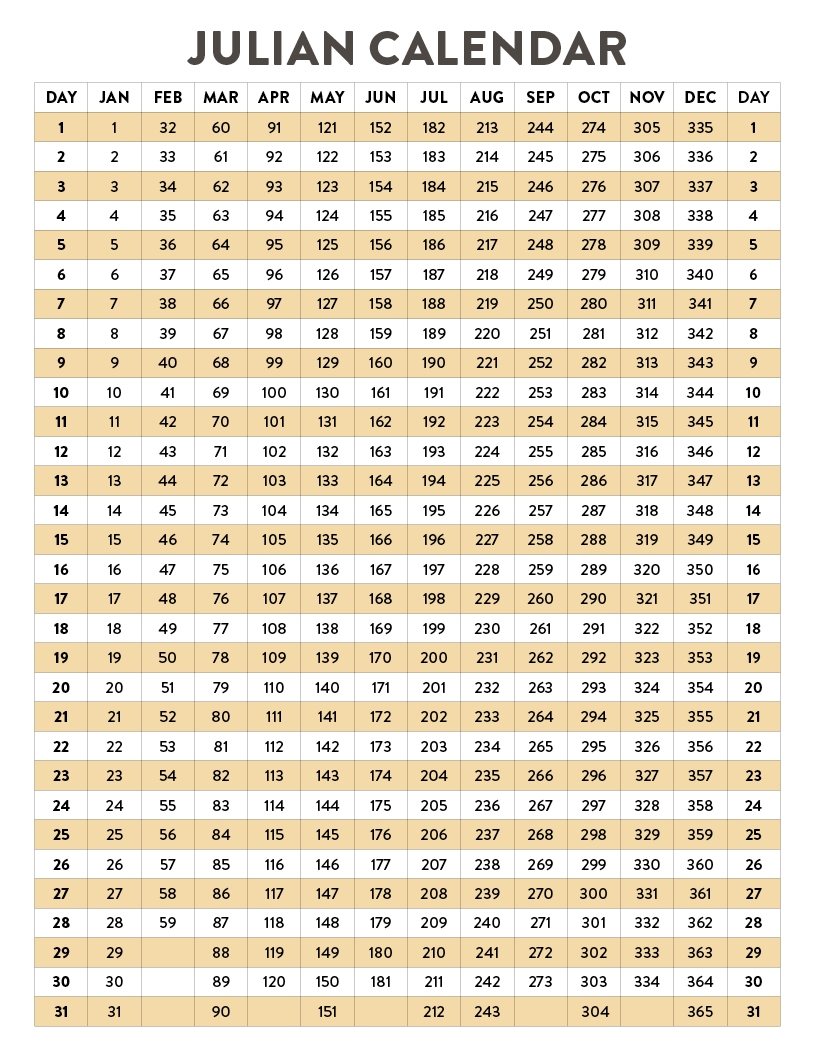
Julian Date Calendar Natural Grocers