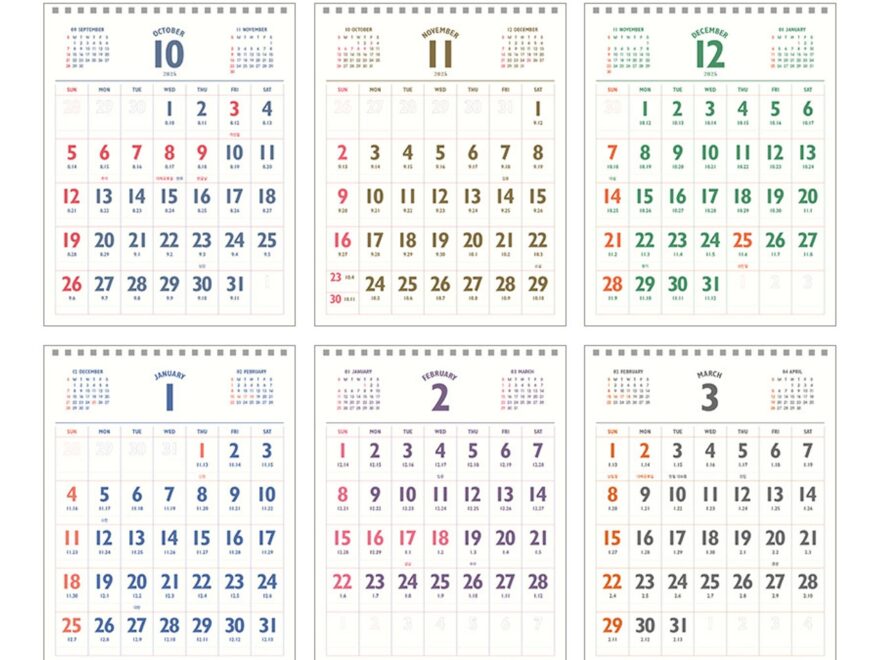
As we look ahead to 2026, it’s interesting to note that we’ll be using both the Gregorian and Lunar calendars. This unique combination offers a blend of tradition and modernity in our timekeeping.
The Gregorian calendar, which is widely used around the world, is a solar calendar based on the Earth’s orbit around the sun. It consists of 12 months and 365 days, with an extra day added every four years in a leap year.
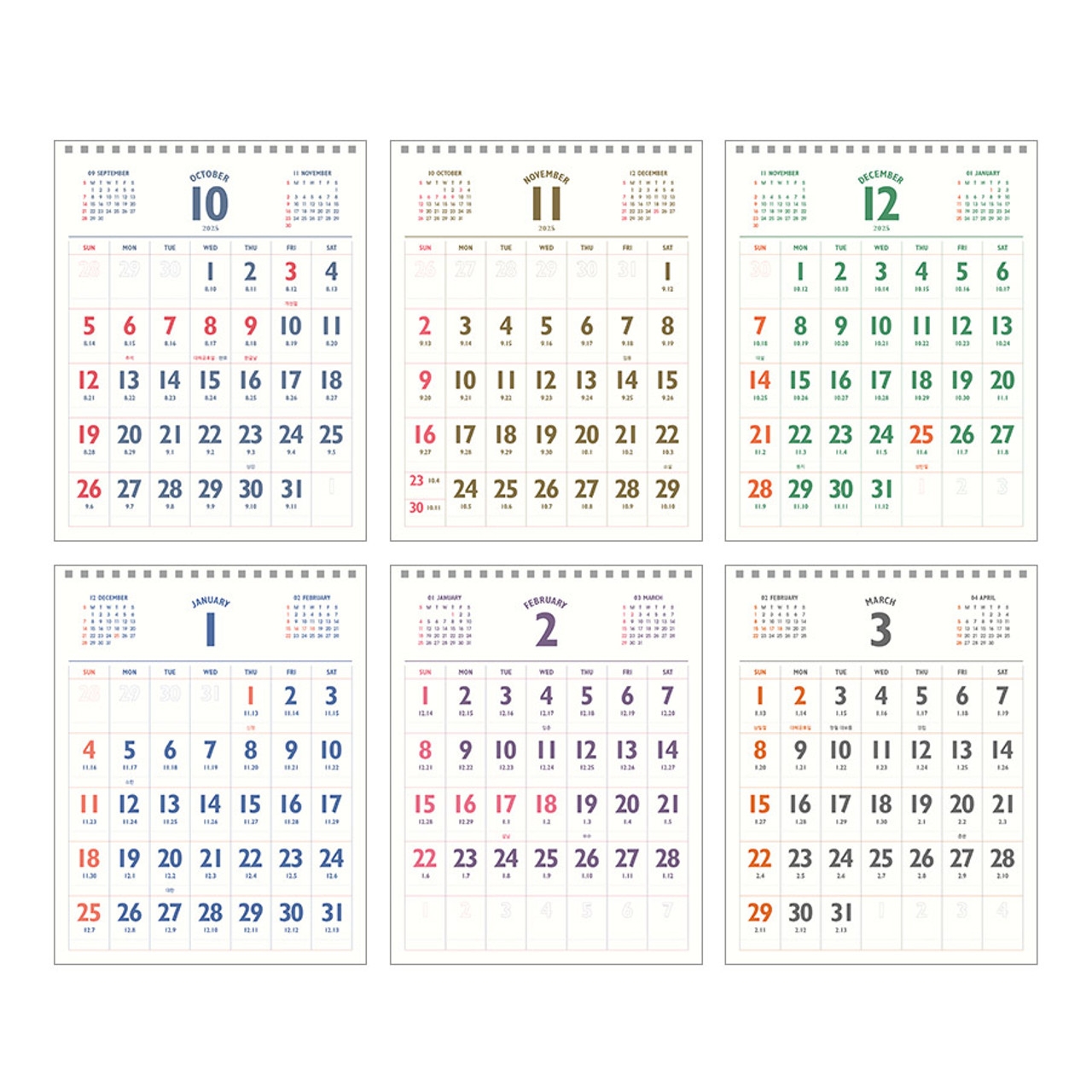
Gregorian And Lunar Calendar For 2026
Gregorian And Lunar Calendar For 2026
On the other hand, the Lunar calendar follows the cycles of the moon, with each month corresponding to a full lunar cycle. This calendar is commonly used in various cultural and religious traditions for determining holidays and festivals.
In 2026, the Gregorian calendar will be the primary calendar for most day-to-day activities, such as work schedules, appointments, and official events. However, the Lunar calendar will still play a significant role in determining cultural and religious observances.
For example, festivals like Chinese New Year, Ramadan, and Diwali are determined by the Lunar calendar. This means that the dates of these celebrations will vary each year based on the lunar cycles, adding a dynamic element to our yearly calendar.
Overall, the combination of the Gregorian and Lunar calendars in 2026 offers a diverse and rich tapestry of timekeeping. It reflects the blending of different cultural traditions and practices, reminding us of the beauty and complexity of our shared human experience.
As we embrace the dual nature of the Gregorian and Lunar calendars in 2026, let’s celebrate the diversity and unity that they represent. May this unique combination of timekeeping bring joy, harmony, and understanding to all who mark the passage of time in their own special way.
[if_img 3]
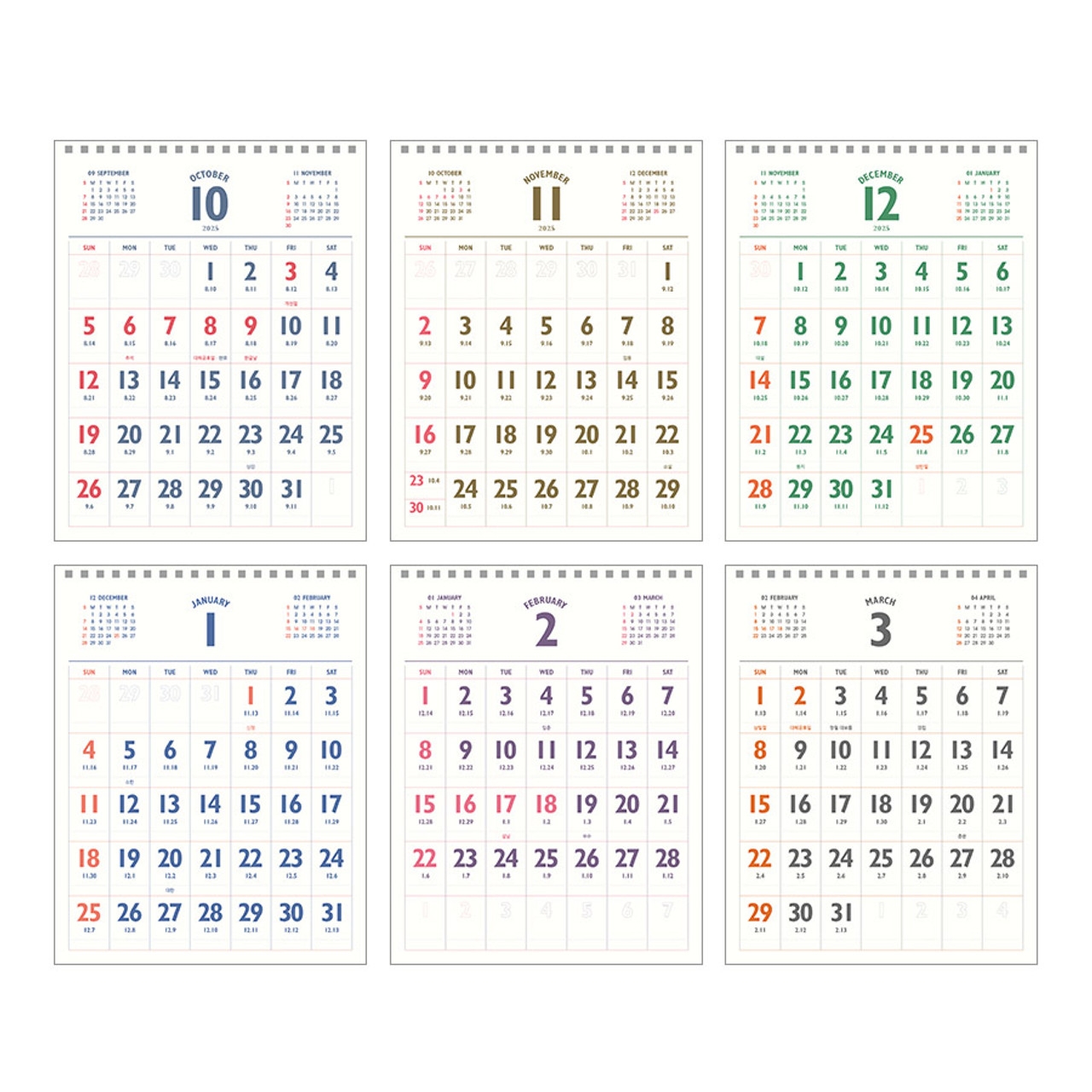
2026 Lunar Retro Monthly Desk Calendar