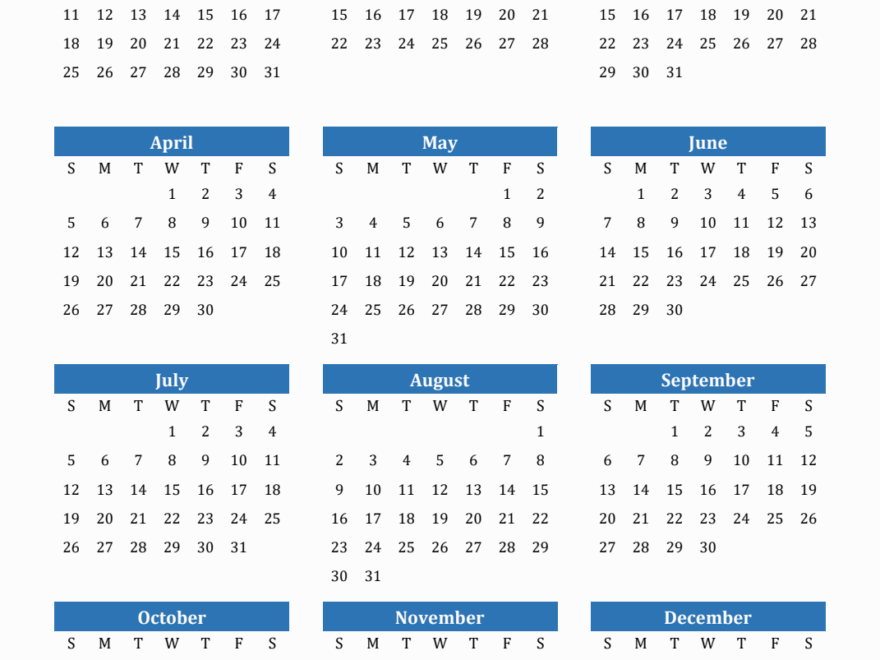
Have you ever wondered about the significance of the Gregorian calendar in our daily lives? This widely used calendar system has been around for centuries, helping us keep track of time and important events.
As we look ahead to 2026, it’s interesting to note that the Gregorian calendar will be 8 years ahead of the lunar calendar. This means that certain holidays and celebrations may fall on different dates compared to previous years.
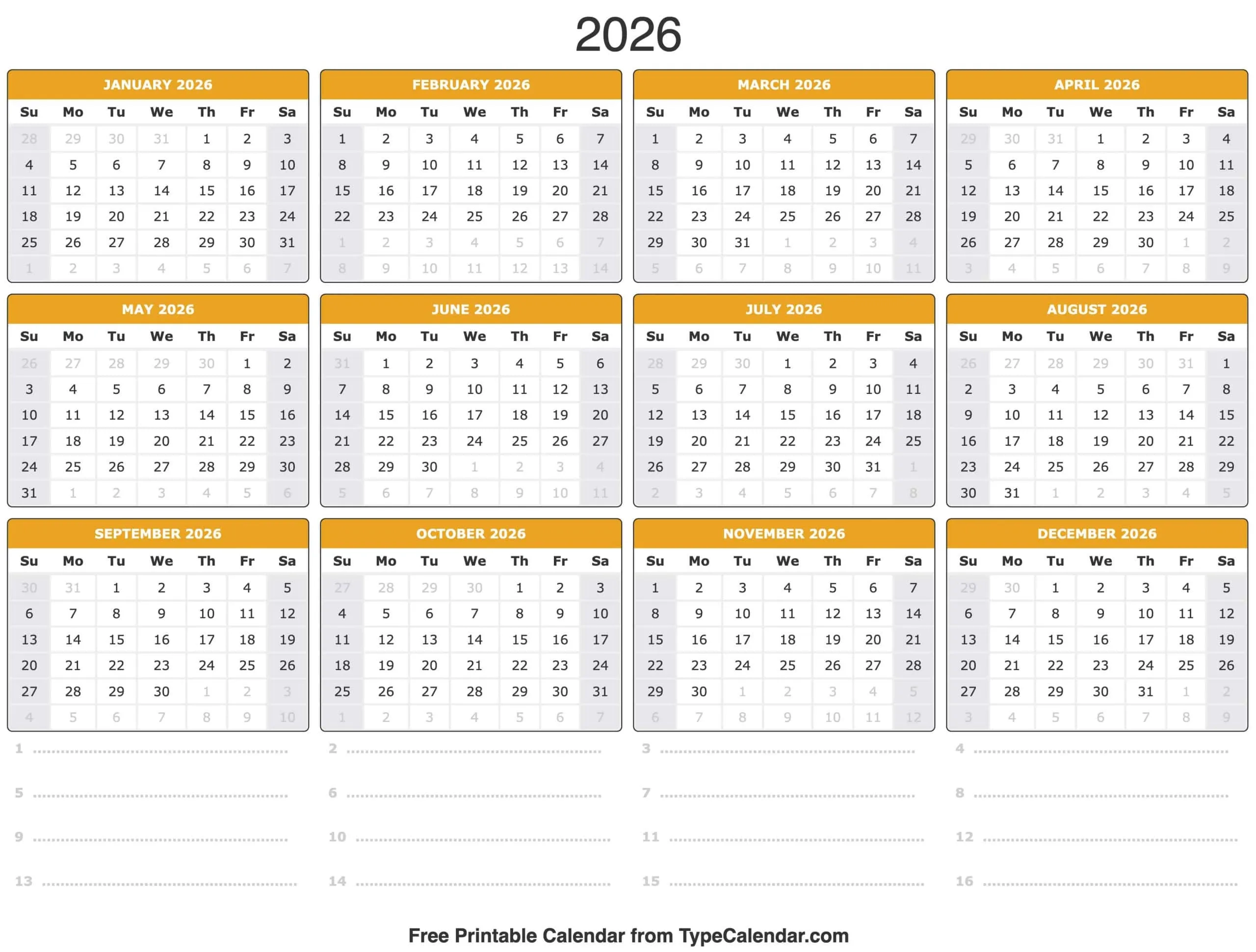
Gregorian Calendar 2026 8 Years
The Gregorian Calendar in 2026: A Difference of 8 Years
With the Gregorian calendar being 8 years ahead of the lunar calendar in 2026, it’s important to stay informed about any changes in dates for holidays and special occasions. This shift can impact various cultural and religious observances.
One of the key implications of this 8-year difference is the timing of traditional festivals and events. For example, the dates for Easter, Ramadan, and other significant holidays may vary due to the misalignment between the Gregorian and lunar calendars.
It’s crucial for individuals, communities, and organizations to adjust their schedules and plans accordingly to accommodate the discrepancies between the two calendar systems. By staying informed and aware of these differences, we can ensure that we don’t miss out on important celebrations and observances.
In conclusion, the Gregorian calendar’s 8-year lead over the lunar calendar in 2026 highlights the complexities of timekeeping and cultural diversity. By acknowledging and adapting to these differences, we can embrace the richness of our global calendar systems and the diversity of traditions that define our world.
[if_img 3]
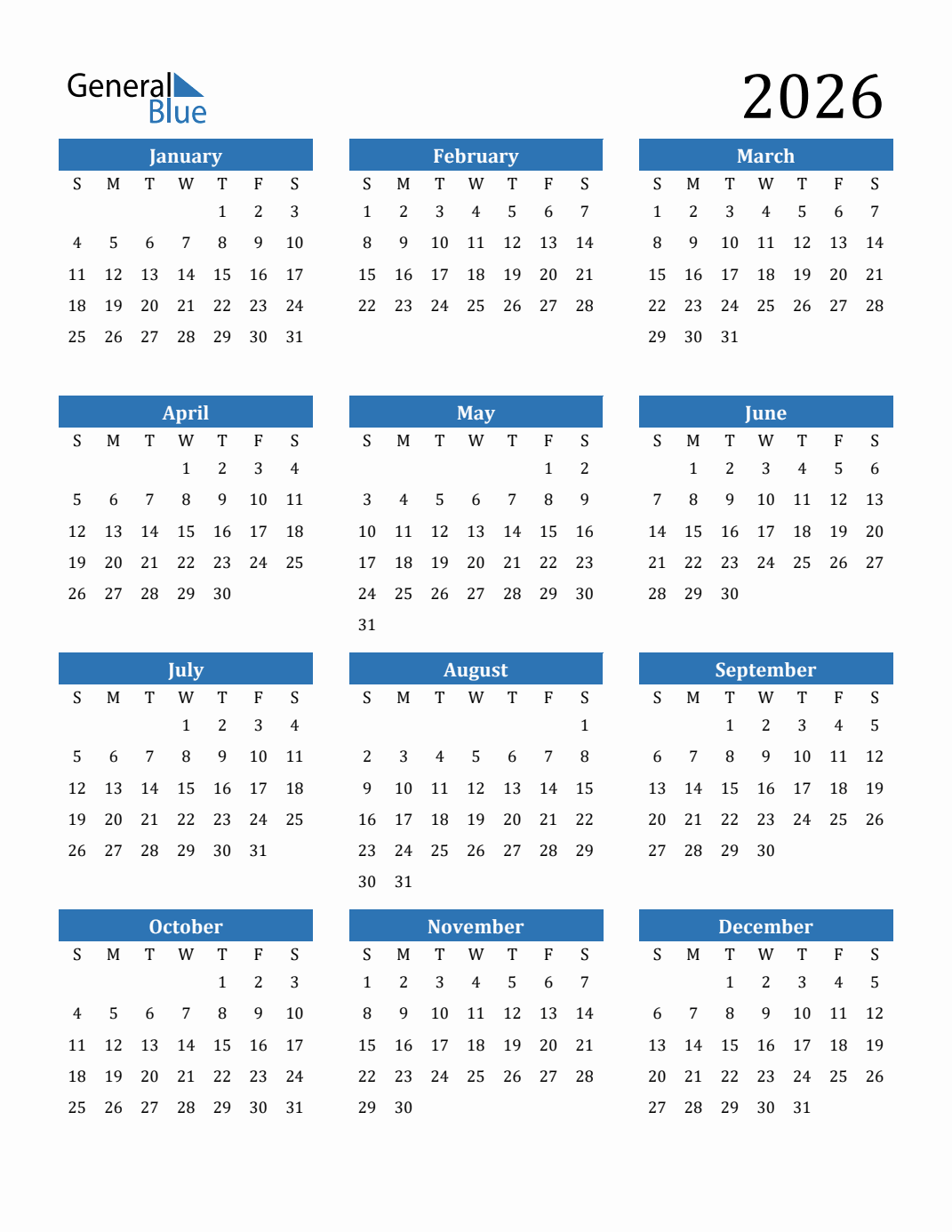
Free 2026 Calendars In PDF Word Excel