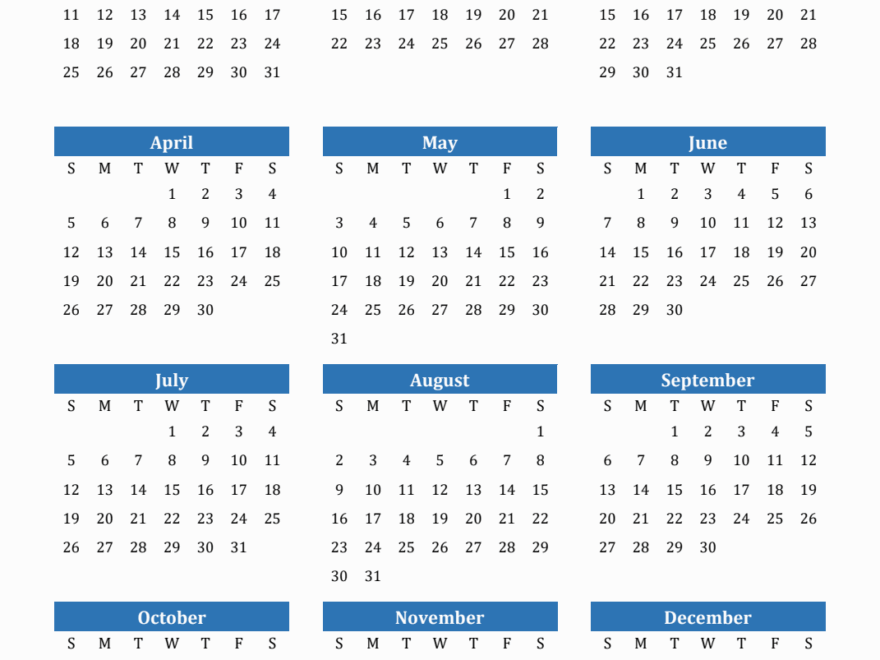
As we approach the year 2026, let’s take a look at the Gregorian Calendar and what it has in store for us. The Gregorian Calendar is the most widely used calendar in the world, named after Pope Gregory XIII, who introduced it in October 1582.
With 2026 just around the corner, it’s interesting to note that the Gregorian Calendar is a solar calendar based on the Earth’s revolution around the sun. It consists of 365 days in a common year and 366 days in a leap year, with February 29 added every four years to synchronize the calendar year with the solar year.
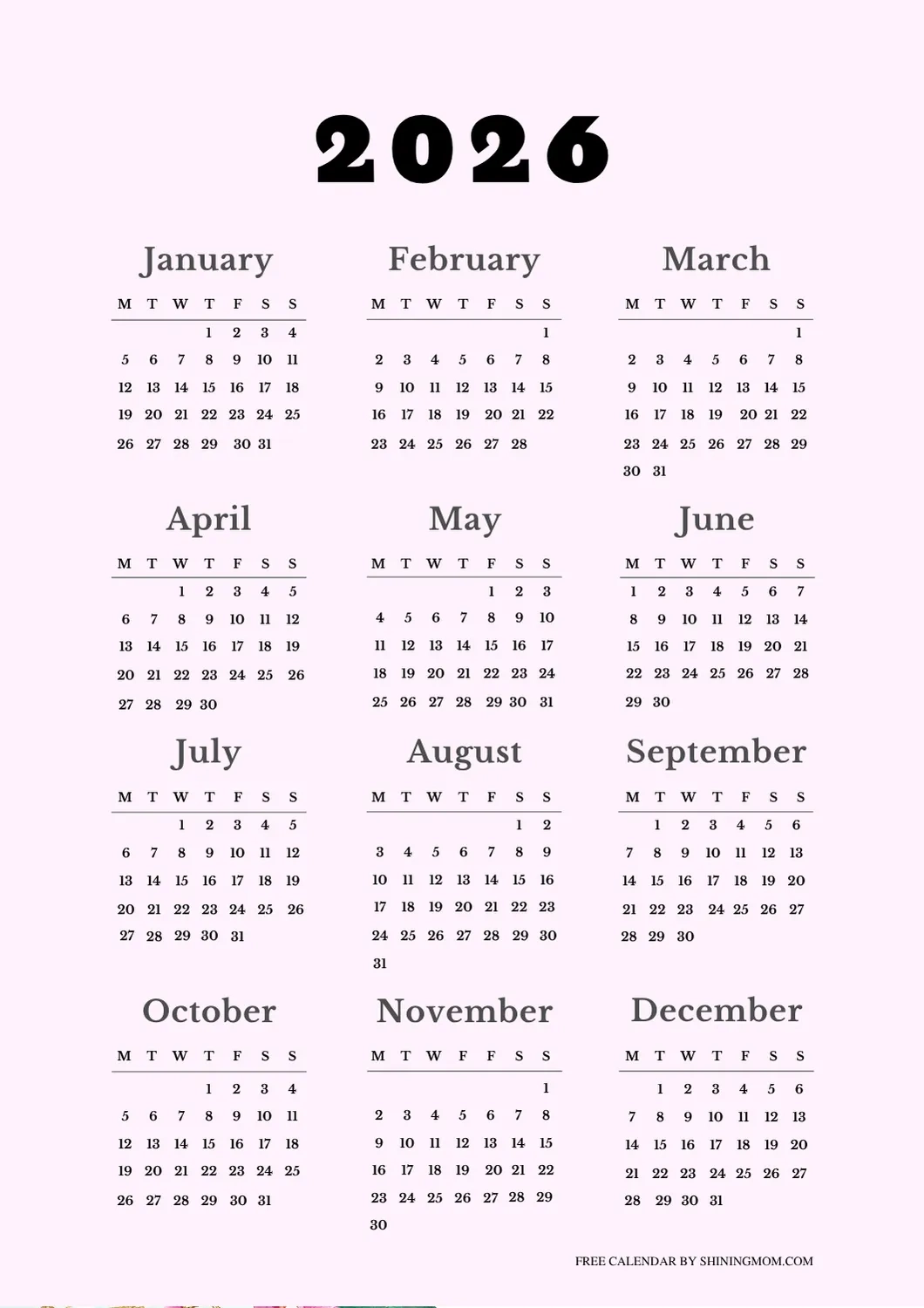
Gregorian Calendar Overview 2026
Gregorian Calendar Overview 2026
In 2026, the Gregorian Calendar will follow its usual pattern of 12 months, starting with January and ending with December. Each month will have varying numbers of days, with July and August having 31 days, while February will have 28 days, except for leap years like 2024 and 2028.
2026 will not be a leap year, so February will have 28 days. This means that the year will consist of 365 days in total, with 52 weeks and one day. It’s fascinating to see how the Gregorian Calendar has evolved over the centuries to become the standard calendar used by most countries worldwide.
As we look ahead to 2026, it’s a reminder of how time flies and how we mark the passing of days, months, and years. The Gregorian Calendar provides us with a structured way to organize our lives and plan for the future. So, as we prepare for the new year, let’s embrace the opportunities and challenges that 2026 will bring.
In conclusion, the Gregorian Calendar Overview for 2026 offers us a glimpse into how we measure time and navigate our way through the year. With its roots in history and its influence on our daily lives, the Gregorian Calendar continues to be a cornerstone of our modern society. Here’s to a new year filled with hope, growth, and endless possibilities!
[if_img 3]
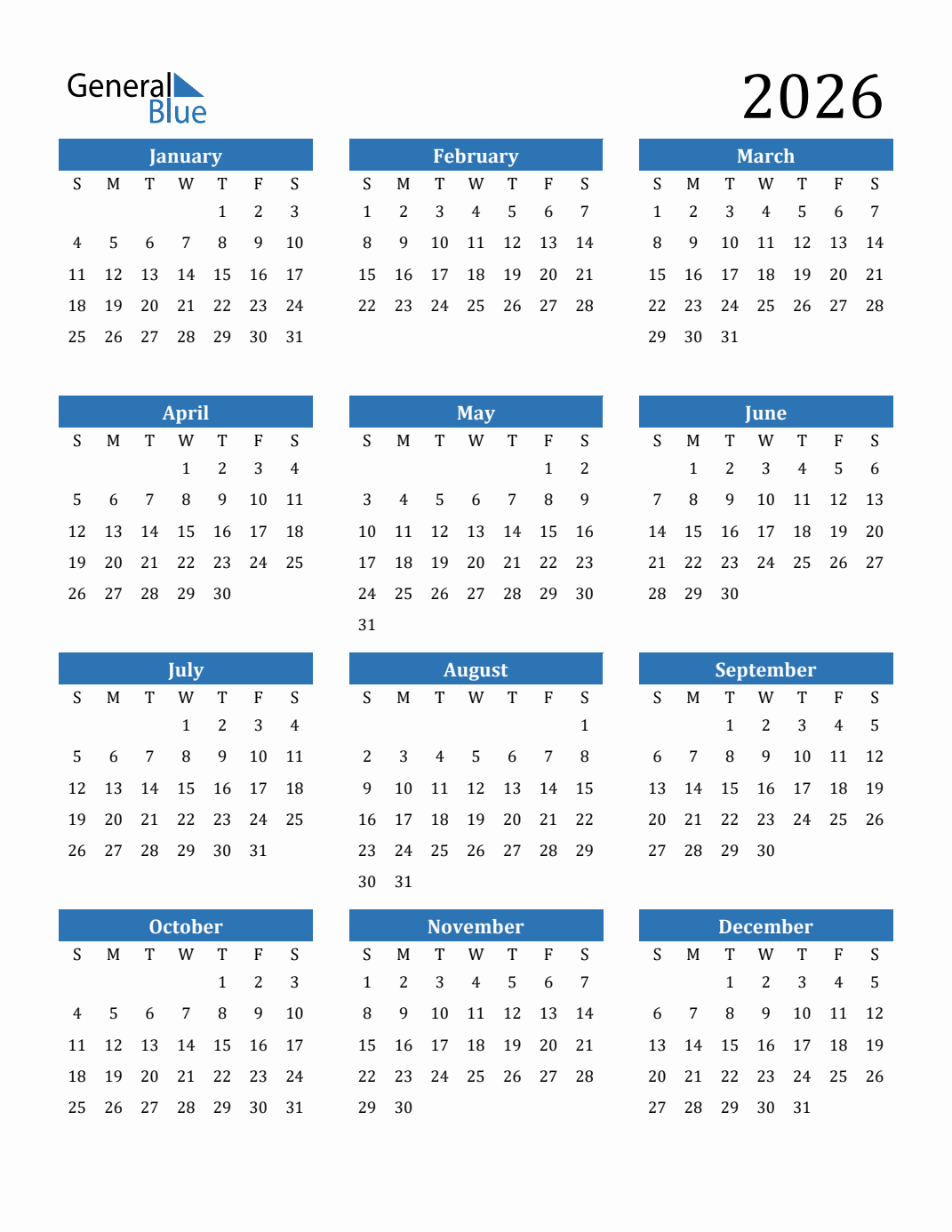
Free 2026 Calendars In PDF Word Excel