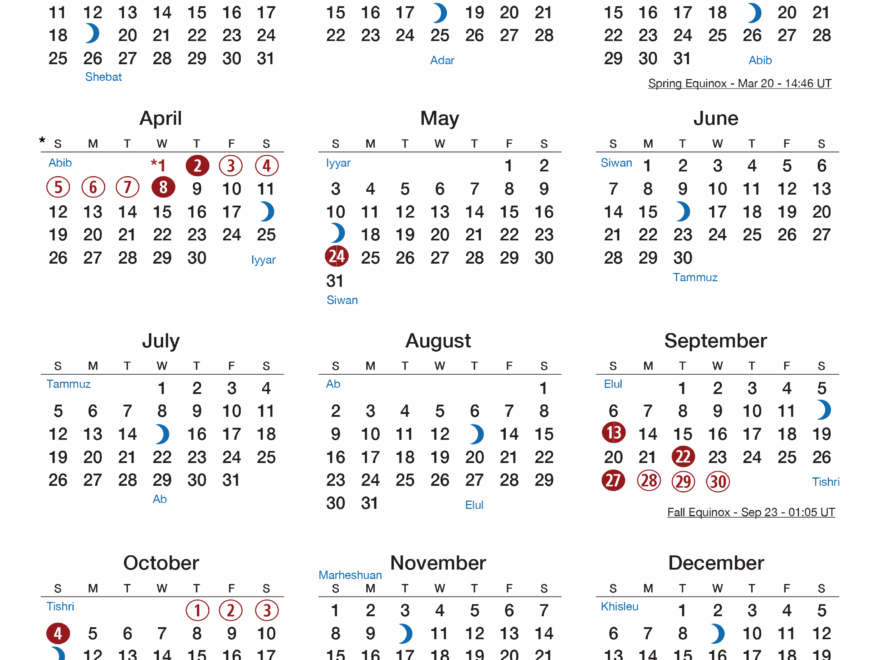
Are you curious about how the Gregorian calendar aligns with the lunar calendar in 2026? Let’s dive into this fascinating topic and explore the connections between these two systems of time-keeping.
The Gregorian calendar, which is widely used across the globe, is a solar calendar based on the Earth’s orbit around the sun. In contrast, the lunar calendar is based on the phases of the moon.
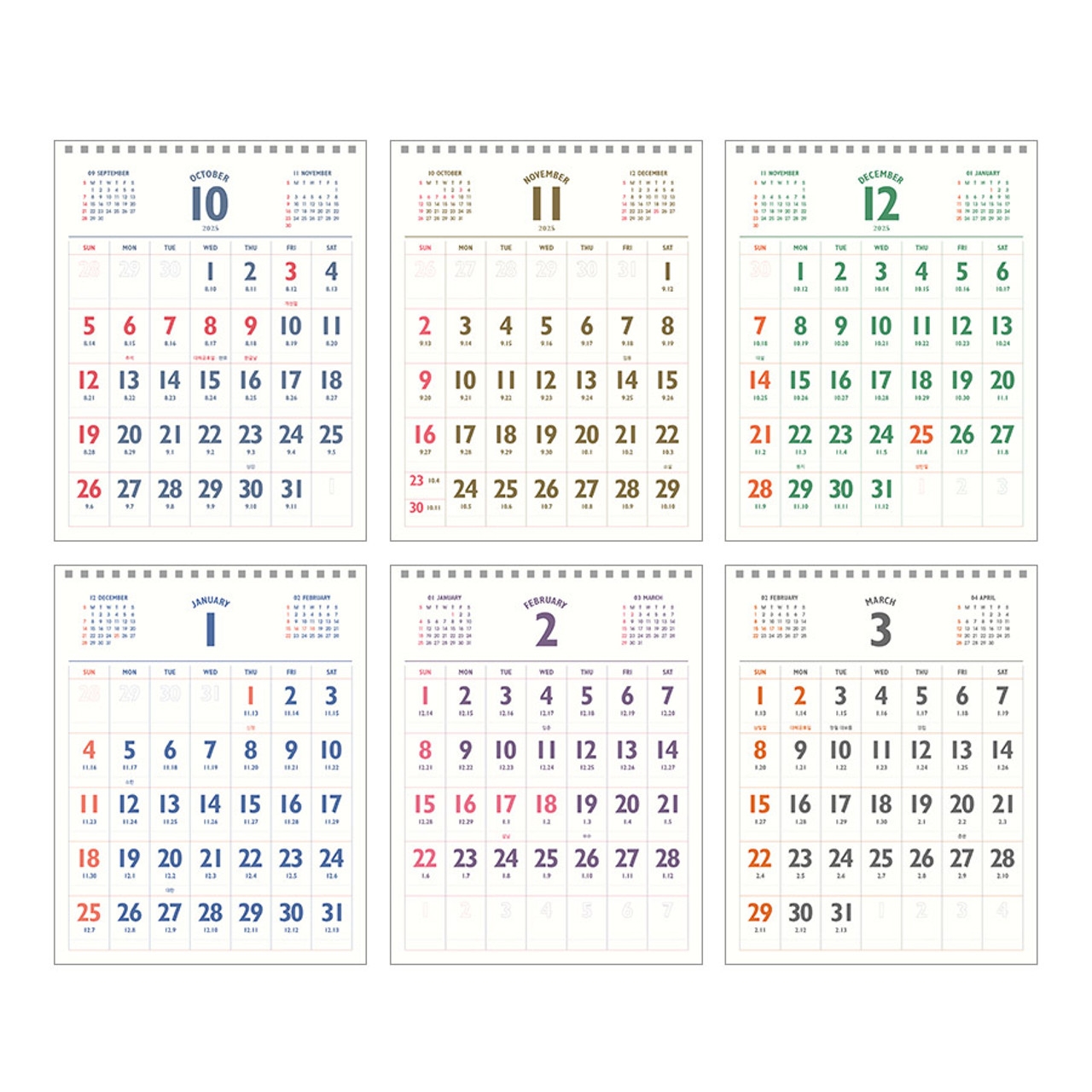
Gregorian To Lunar Calendar 2026
Gregorian To Lunar Calendar 2026
In 2026, there will be some interesting alignments between the Gregorian and lunar calendars. The Chinese New Year, for example, will fall on February 17th in the Gregorian calendar, marking the beginning of the Year of the Tiger in the lunar calendar.
Another significant event in 2026 is the Islamic holy month of Ramadan, which will begin on the evening of March 25th in the Gregorian calendar. This month of fasting and prayer follows the lunar calendar, with the sighting of the new moon marking the start of Ramadan.
Throughout the year, there will be various cultural and religious celebrations that are tied to the lunar calendar. From the Mid-Autumn Festival to the Islamic holiday of Eid al-Fitr, these events highlight the rich diversity of traditions around the world.
As we look ahead to 2026, it’s fascinating to see how the Gregorian and lunar calendars intersect and influence different aspects of our lives. Whether you’re marking important dates or simply curious about the passage of time, exploring these connections can deepen our understanding of the world around us.
In conclusion, the year 2026 promises to be a year filled with cultural celebrations, religious observances, and significant events that bridge the gap between the Gregorian and lunar calendars. By paying attention to these intersections, we can gain a greater appreciation for the diverse ways in which time is marked and honored across different cultures.
[if_img 3]
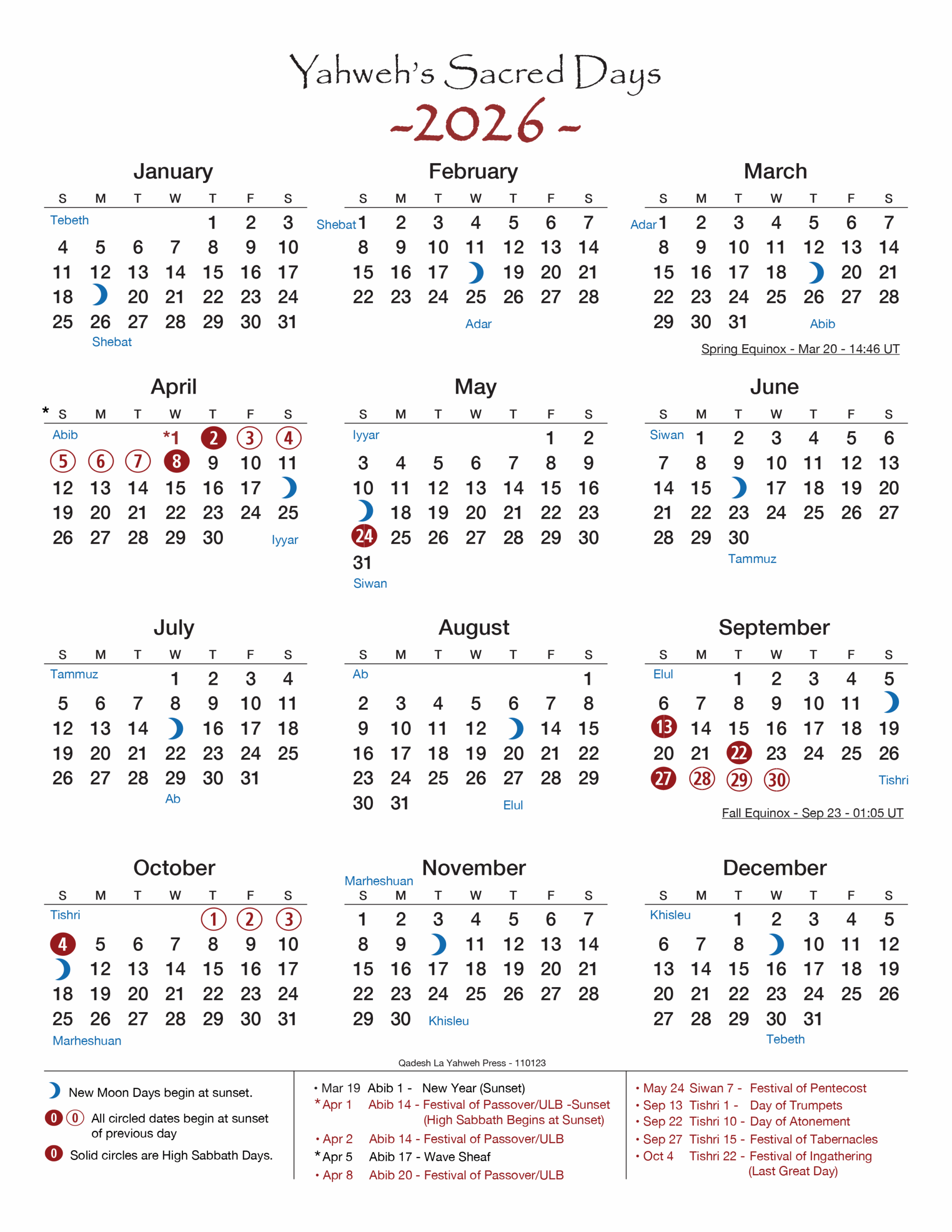
Calendar 2026