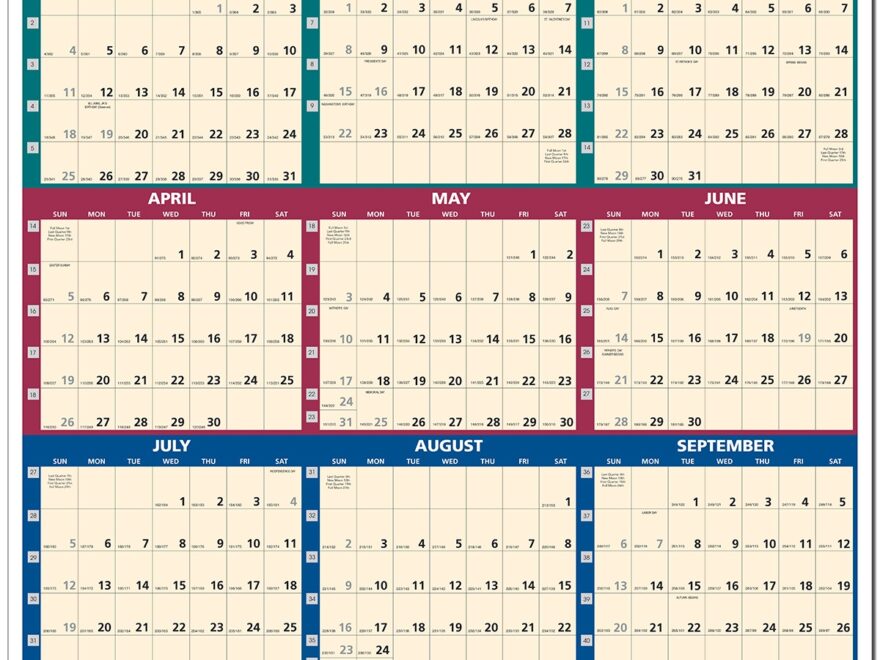
If you’re curious about how the Julian Calendar affects the leap year in 2026, you’re in the right place. The Julian Calendar is one of the oldest calendar systems in use today.
While most of the world follows the Gregorian calendar, some communities still use the Julian Calendar. In 2026, the Julian Calendar will have a leap year, just like the Gregorian Calendar.
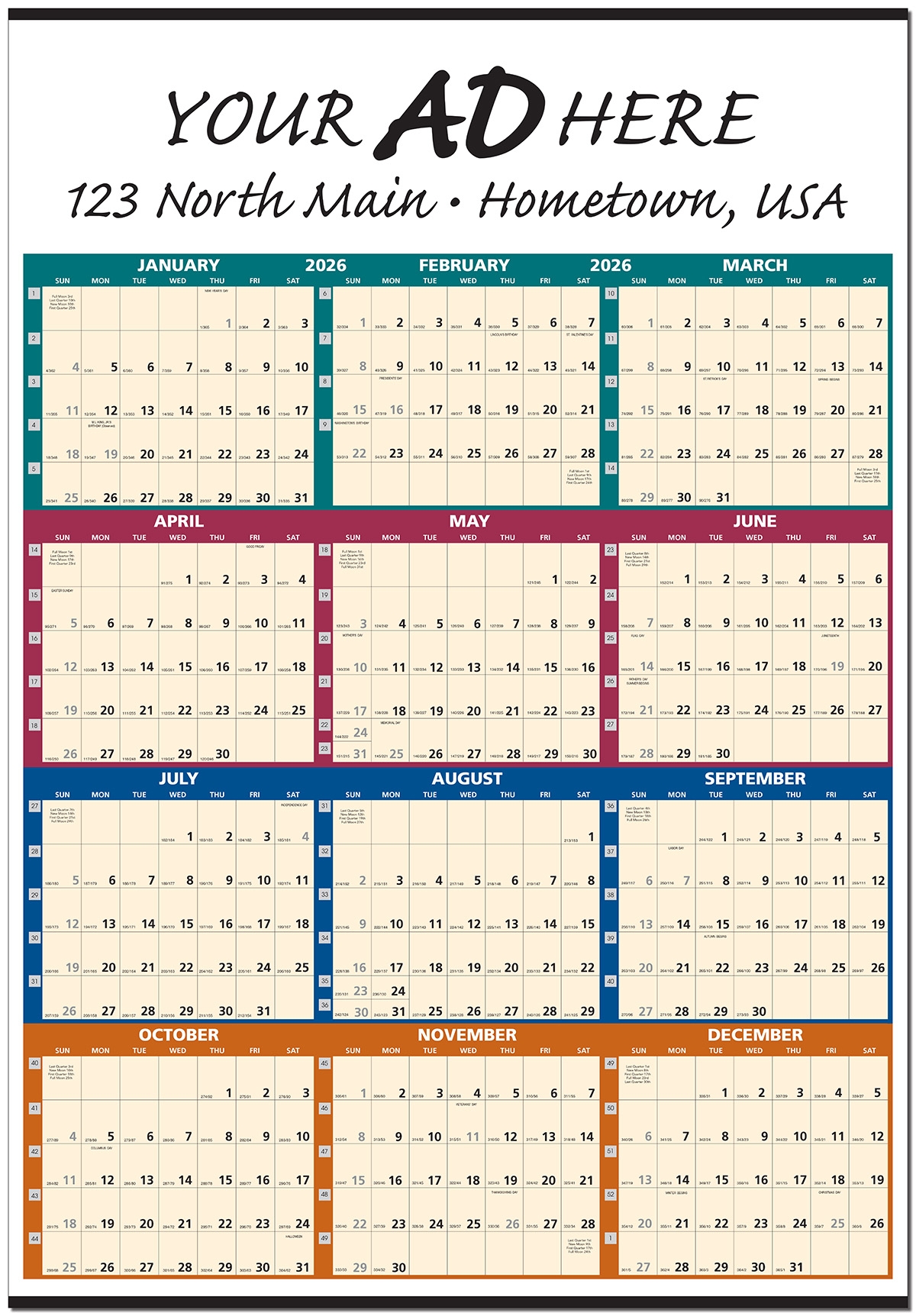
Julian Calendar 2026 Leap Year
The Julian Calendar 2026 Leap Year
The Julian Calendar follows a simple rule for leap years: every fourth year is a leap year. This means that 2026 will be a leap year in the Julian Calendar, with an extra day added to February.
Unlike the Gregorian Calendar, which skips leap years that are divisible by 100 but not by 400, the Julian Calendar adds a leap day every four years without exception. This slight difference in leap year calculations sets the two calendars apart.
Leap years are essential to keep our calendars in sync with the Earth’s orbit around the sun. Without the extra day every four years, our calendars would slowly drift out of alignment with the changing seasons.
So, if you’re using the Julian Calendar in 2026, make sure to mark February 29th on your calendar. It’s an extra day to enjoy the year and celebrate the unique quirks of different calendar systems.
Whether you follow the Julian Calendar or the Gregorian Calendar, leap years are a fascinating aspect of timekeeping. Embrace the extra day in 2026 and make the most of this rare occurrence in our calendar systems.
[if_img 3]
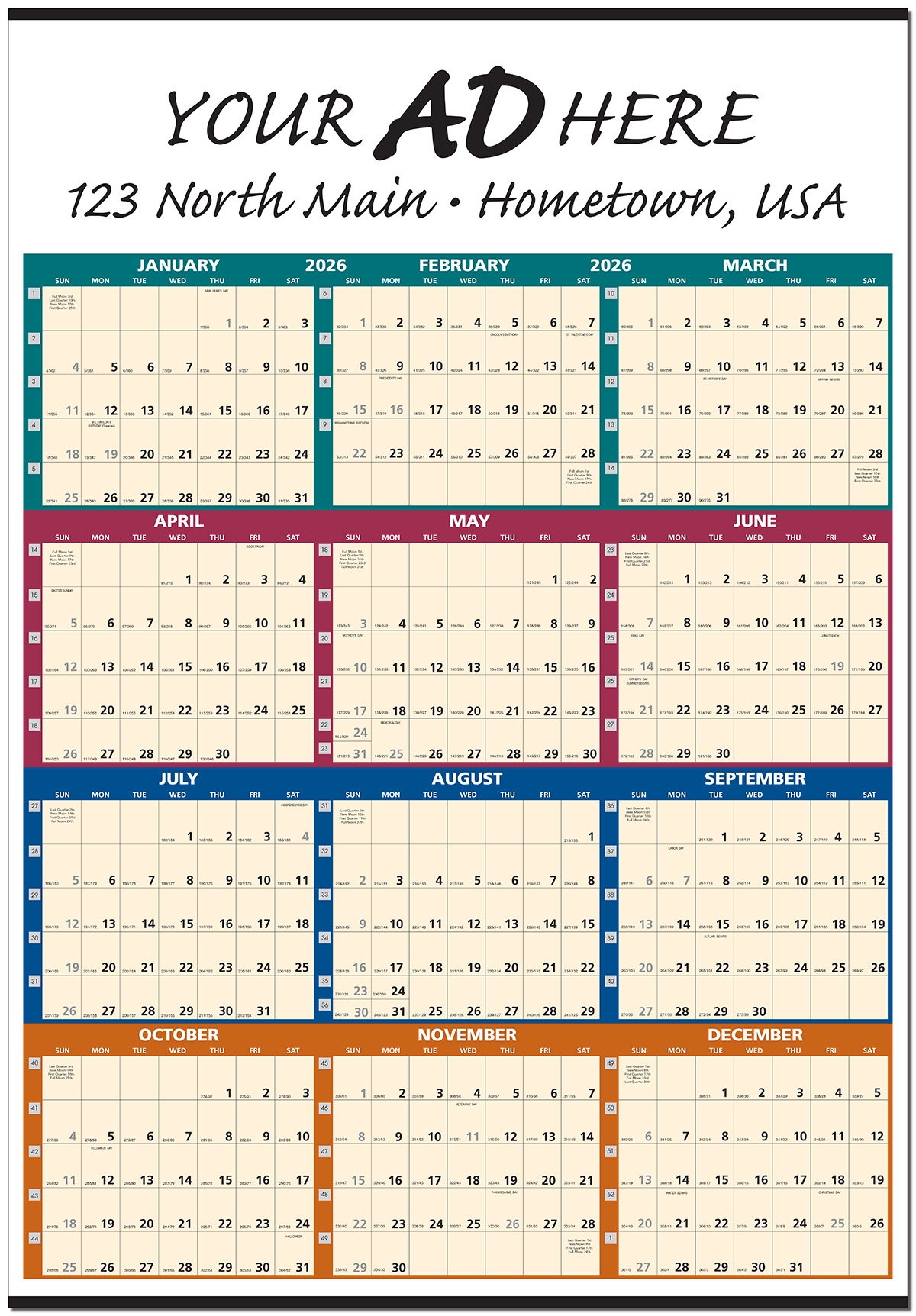
Printable Julian Calendar Leap Year Year And Date Calendar