Do you ever wonder about the differences between the Julian Calendar and the Gregorian Calendar? Let’s dive into how these two calendars compare in the year 2026.
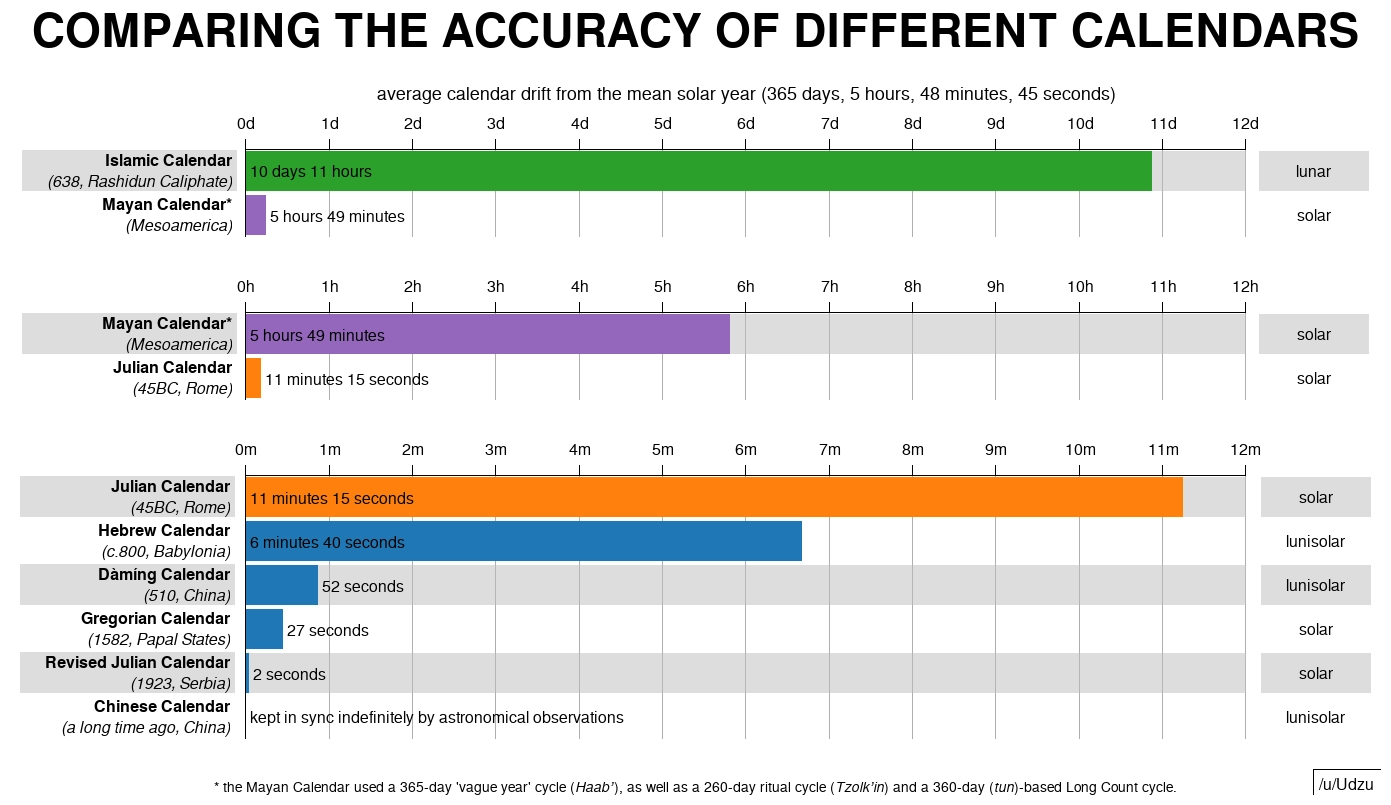
The Julian Calendar, introduced by Julius Caesar in 45 BC, was based on a 365-day year with an extra day added every four years. However, this system eventually led to discrepancies with the solar year.
Julian Calendar 2026 Vs Gregorian
Julian Calendar 2026 Vs Gregorian
In contrast, the Gregorian Calendar, implemented by Pope Gregory XIII in 1582, made adjustments to the leap year system to better align with the solar year. This change corrected the inaccuracies of the Julian Calendar.
One key difference between the two calendars in 2026 is the leap year calculation. The Julian Calendar adds a leap day every four years without exception, while the Gregorian Calendar skips leap years in certain cases.
As a result of these differences, the Julian Calendar is now 13 days behind the Gregorian Calendar. This means that dates in 2026 on the Julian Calendar will be 13 days earlier than those on the Gregorian Calendar.
While the Julian Calendar is still used by some Orthodox churches and for historical purposes, the Gregorian Calendar is the standard calendar used by most of the world today for its improved accuracy in tracking the solar year.
In conclusion, the Julian Calendar and the Gregorian Calendar have distinct methods of calculating leap years, leading to a 13-day difference in 2026. Understanding these differences can provide insight into the historical development of our modern calendar system.
[if_img 3]
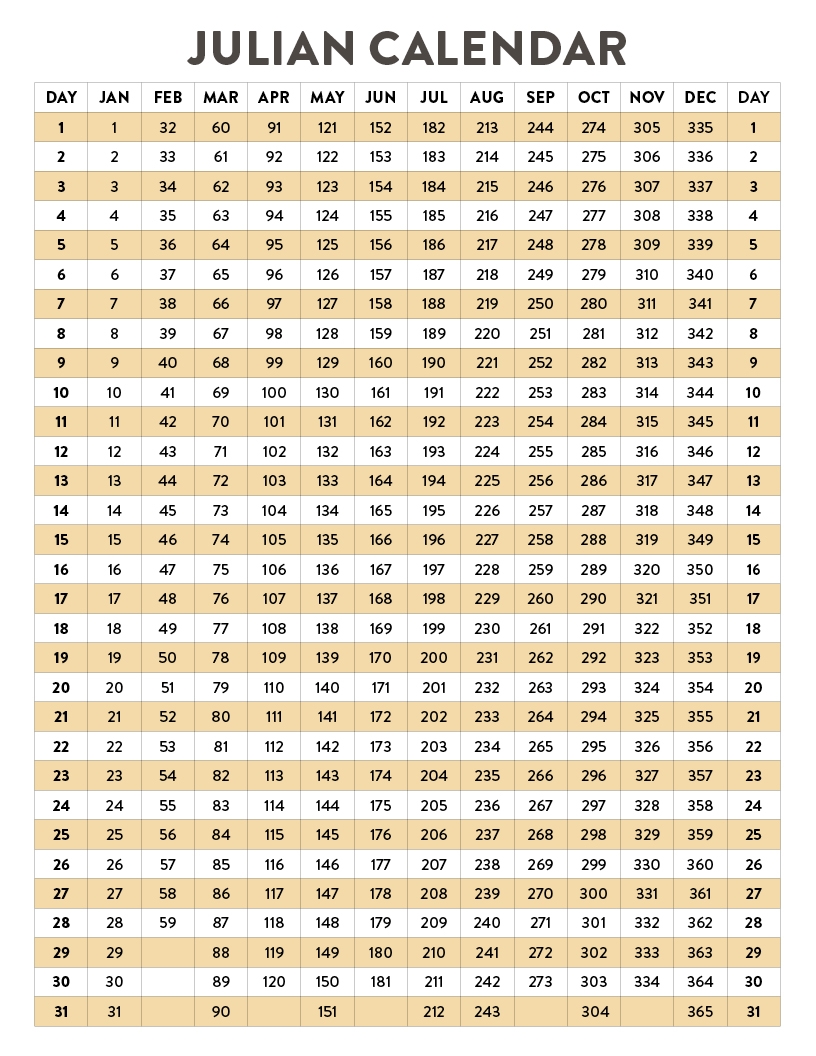
Julian Date Calendar Natural Grocers