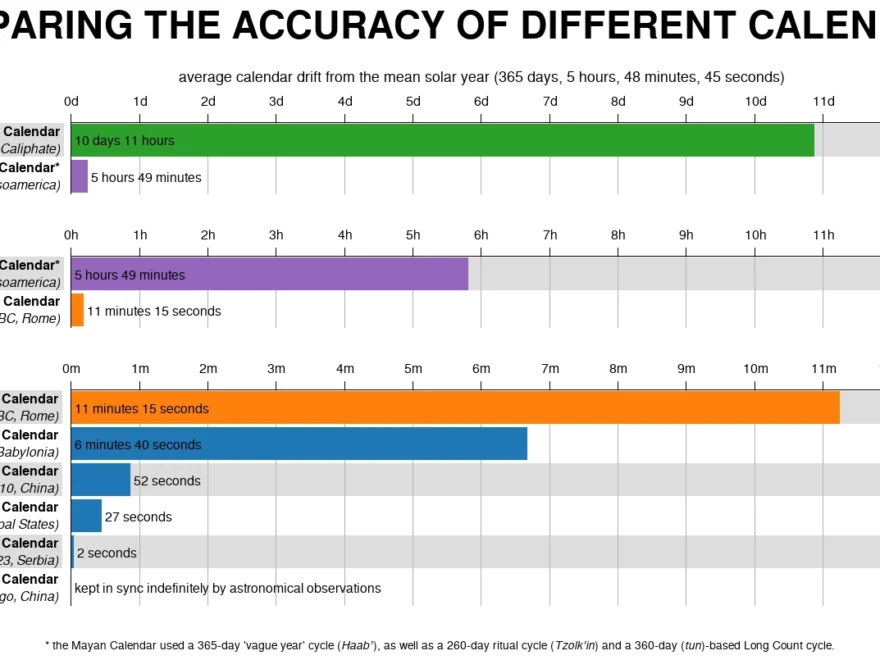
Have you ever wondered how time is calculated in different parts of the world? In Russia, the Julian calendar is still in use in some areas, providing a fascinating glimpse into the country’s rich history and traditions.
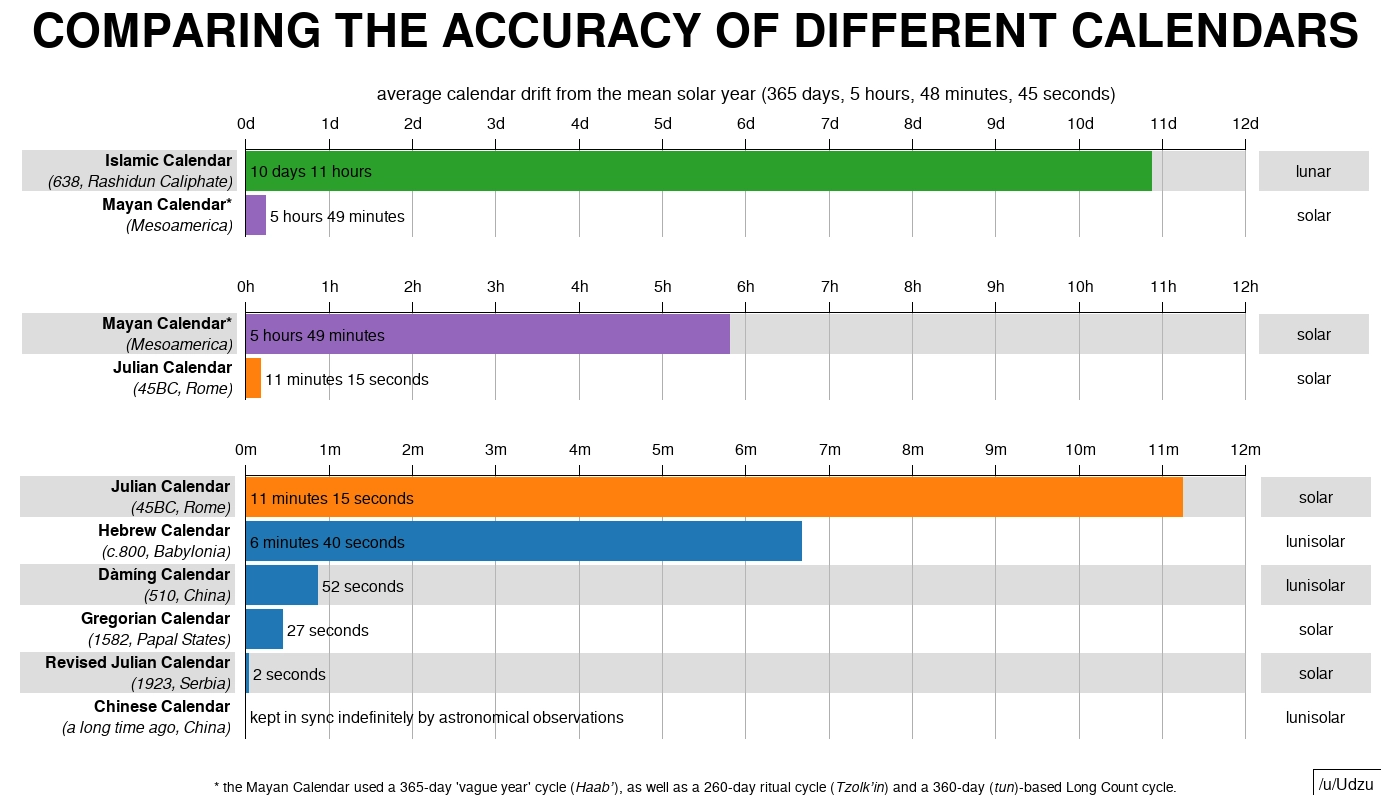
The Julian calendar, introduced by Julius Caesar in 46 BC, is based on a 365-day year divided into 12 months. While most countries have switched to the Gregorian calendar, Russia continues to observe some holidays and events according to the Julian calendar.
Julian Calendar Russia 2026
Julian Calendar Russia 2026
In 2026, Russia will celebrate Orthodox Christmas on January 7th according to the Julian calendar. This date is 13 days behind the Gregorian calendar, leading to unique customs and traditions that are deeply rooted in Russian culture.
Despite the widespread use of the Gregorian calendar in everyday life, the Julian calendar plays a significant role in religious observances and cultural festivities in Russia. It serves as a link to the country’s past and a reminder of its enduring traditions.
Many Russian Orthodox churches, monasteries, and communities follow the Julian calendar for religious holidays and events. This includes Easter, which is often celebrated on a different date than in Western countries, adding a distinct flavor to Russian religious practices.
As Russia embraces modernity and globalization, the Julian calendar remains a cherished part of the country’s heritage. It symbolizes the resilience and continuity of Russian traditions, connecting people across generations and preserving a sense of cultural identity.
So next time you mark your calendar, take a moment to appreciate the fascinating legacy of the Julian calendar in Russia. It’s not just about dates and numbers; it’s a testament to the enduring spirit of a nation rich in history and tradition.
[if_img 3]
A Change Of Calendars St Volodymyr Cathedral Of Toronto