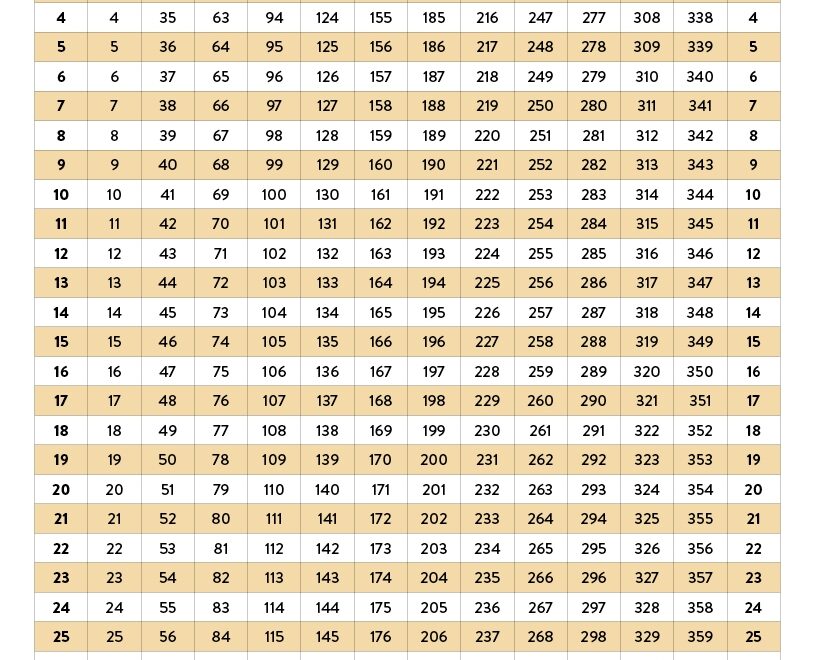
The Julian Calendar and the Gregorian Calendar are two popular systems used to track time and dates. While both serve the same purpose, there are some key differences between them that are worth exploring.
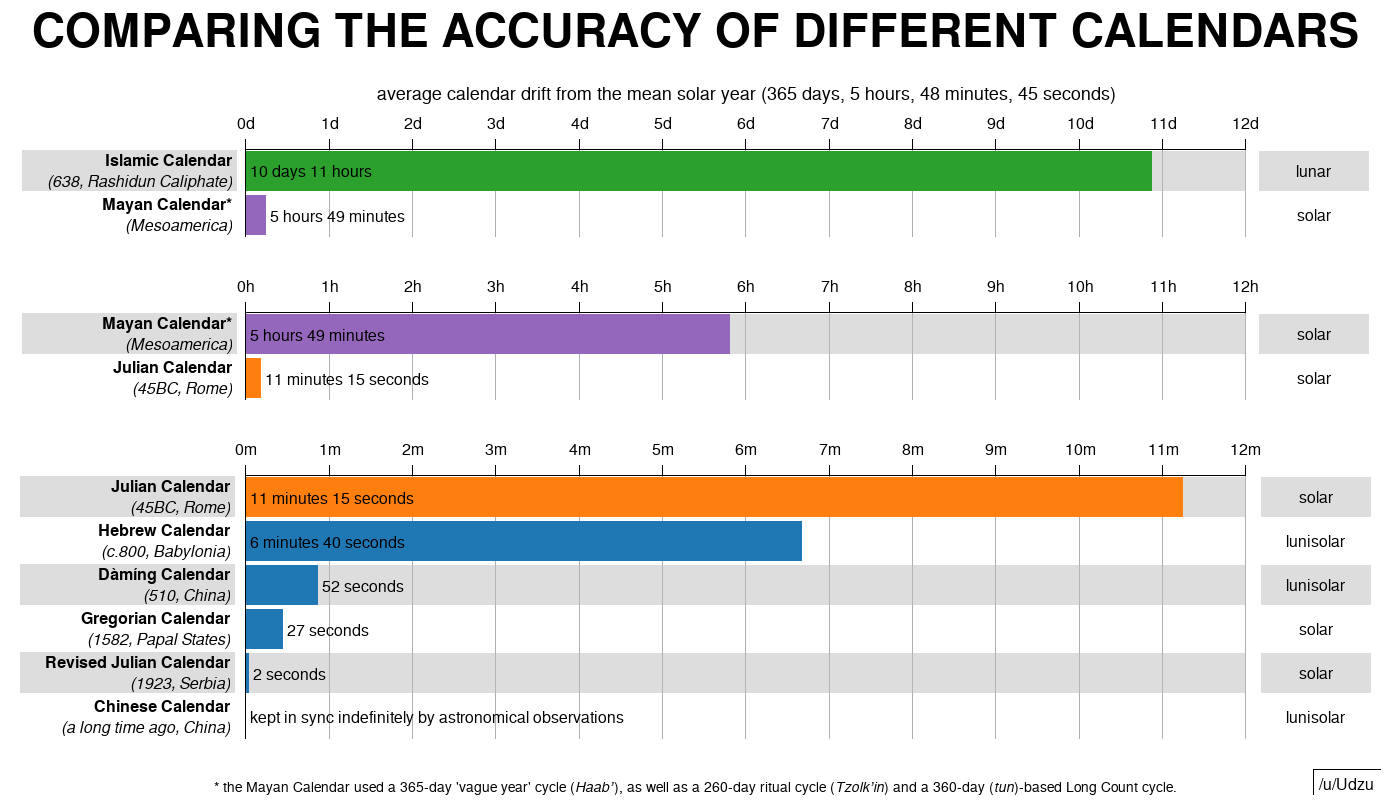
The Julian Calendar, introduced by Julius Caesar in 46 BC, was based on a 365-day year with an extra day every four years. However, it wasn’t perfect and had to be adjusted to keep in line with the solar year.
Julian Calendar Vs Gregorian Calendar 2026
Julian Calendar Vs Gregorian Calendar 2026
The Gregorian Calendar, implemented by Pope Gregory XIII in 1582, made changes to the Julian Calendar to account for a small error in the length of the solar year. This adjustment involved skipping leap years in certain cases.
In 2026, the Julian Calendar will be 13 days behind the Gregorian Calendar due to the difference in leap year calculations. This means that dates in the Julian Calendar will be later than those in the Gregorian Calendar for that year.
While both calendars are widely used today, the Gregorian Calendar is the standard calendar in most countries around the world. It is more accurate in tracking the solar year and is the one commonly used for official purposes and international communications.
Despite the differences between the Julian and Gregorian Calendars, both systems have played crucial roles in shaping how we organize our time and schedule events. Whether you follow one or the other, each calendar has its own unique history and significance.
In conclusion, the Julian Calendar and the Gregorian Calendar have their own strengths and weaknesses, but both have stood the test of time. As we move forward into 2026, it’s fascinating to see how these two systems continue to influence our daily lives and societal norms.
[if_img 3]
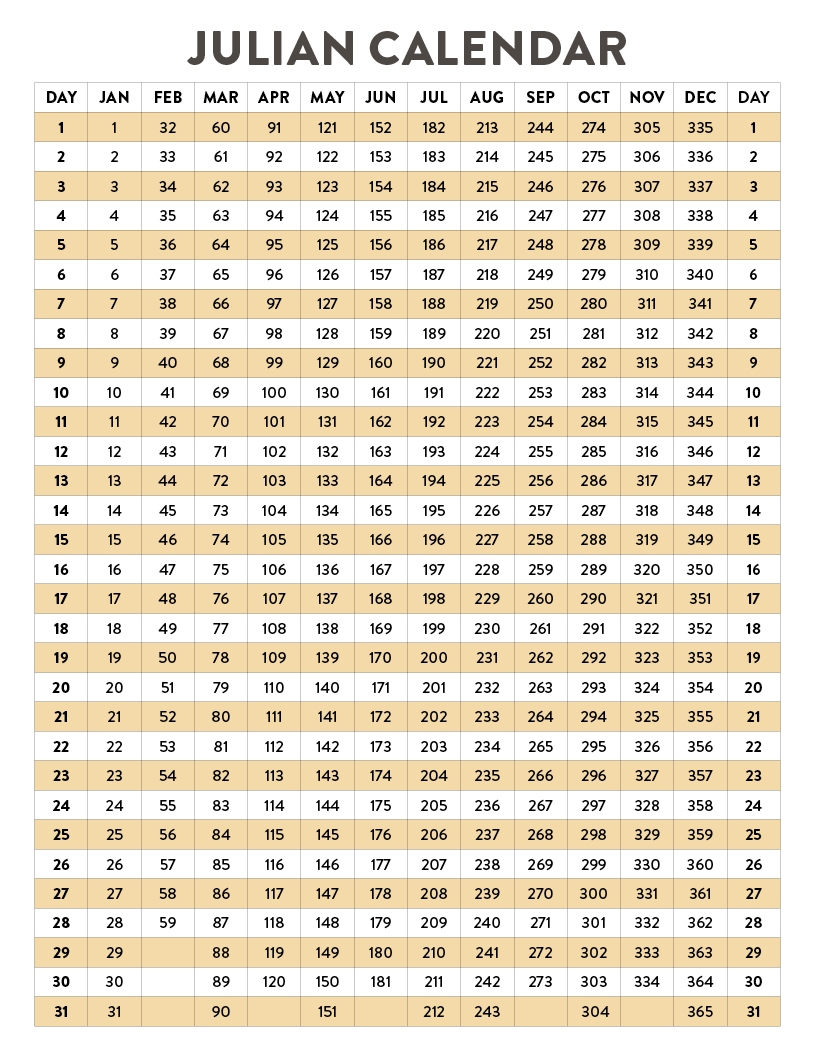
Julian Date Calendar Natural Grocers