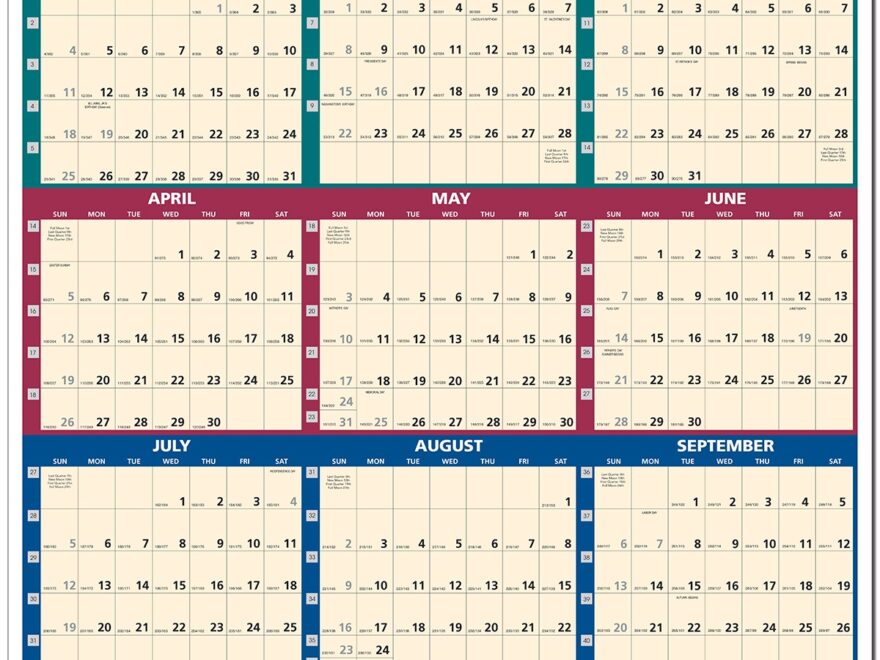
Have you ever heard of the Julian Date Calendar? It’s a system that counts days continuously, with day 1 starting on January 1, 4713 BC. This calendar is used by many industries, including astronomy, food manufacturing, and the military.
One interesting thing about the Julian Date Calendar is how leap years are calculated. In the Gregorian calendar, leap years occur every 4 years, but in the Julian calendar, leap years happen every 4 years, except for years ending in “00” that are not divisible by 400.
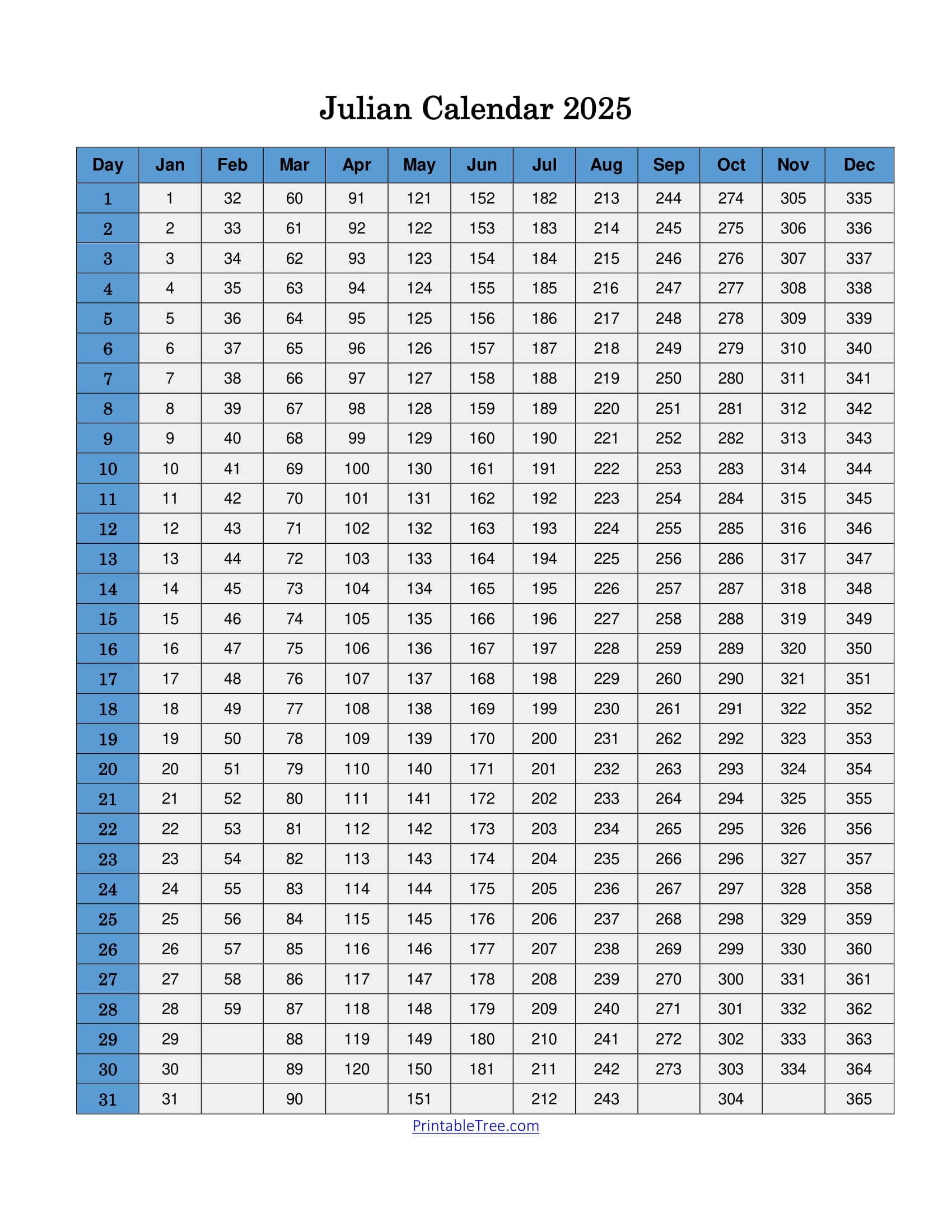
Julian Date Calendar Leap Year 2026
Julian Date Calendar Leap Year 2026
In 2026, the Julian Date Calendar will have a leap year. This means that there will be an extra day added to the calendar on February 29th. This adjustment helps keep the calendar in sync with the Earth’s orbit around the sun.
Leap years are necessary to ensure that the calendar stays aligned with the changing seasons. Without this adjustment, the calendar would slowly drift out of sync with the solar year, causing holidays and seasons to occur at different times of the year over centuries.
So, when you’re planning for the year 2026, remember that it’s a leap year in the Julian Date Calendar. This means you’ll have an extra day to enjoy and make the most of the year. Whether you use the Julian calendar in your daily life or not, it’s fascinating to learn about different ways of tracking time and dates.
As we approach 2026, keep in mind the unique characteristics of the Julian Date Calendar and how it differs from the Gregorian calendar most commonly used today. Understanding these differences can give you a new perspective on timekeeping and the history of calendars.
[if_img 3]
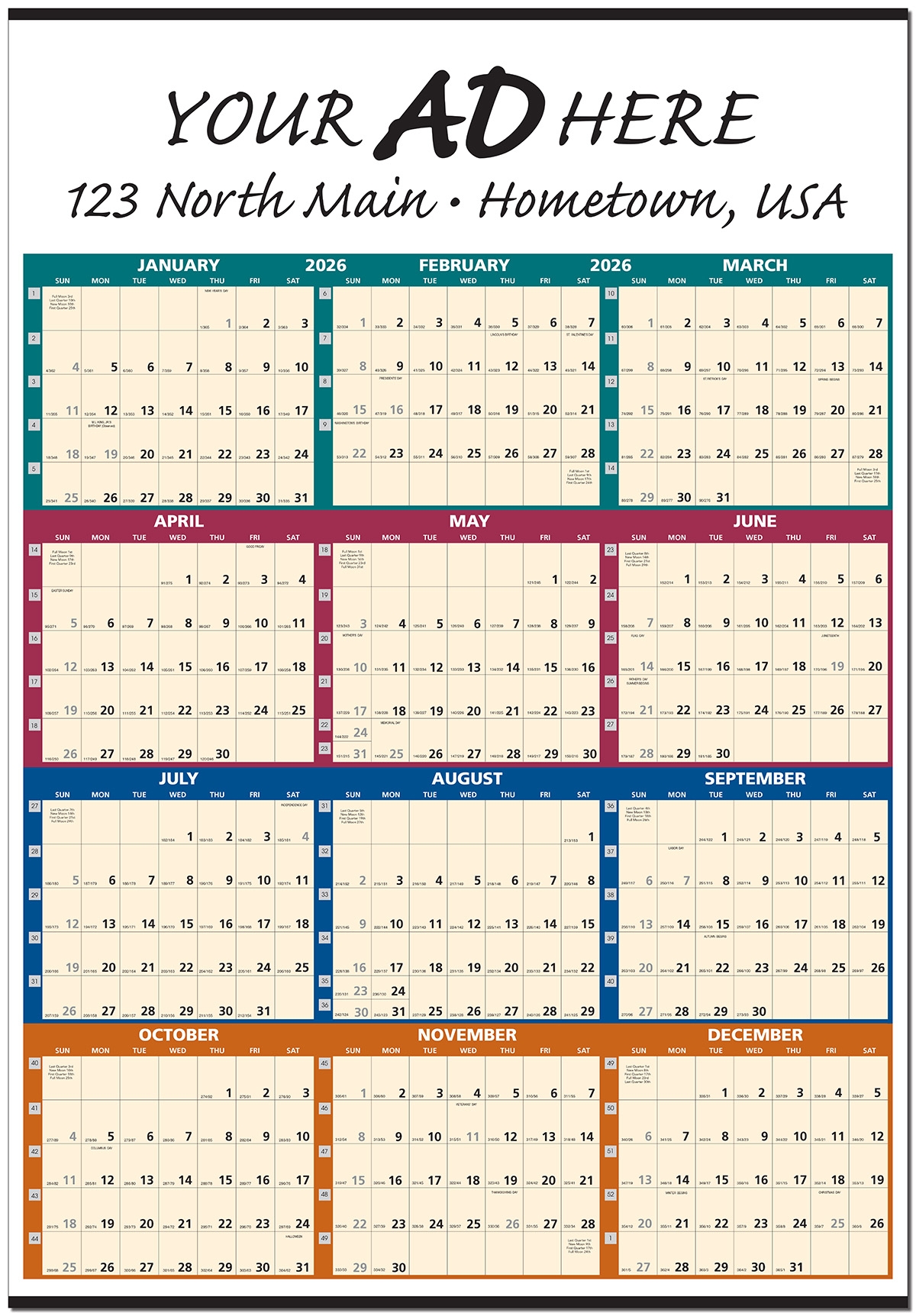
Printable Julian Calendar Leap Year Year And Date Calendar